2026 Best Thermal Resistance Impact on LED Performance?

Time:2026-06-27 Author:Charlotte
0%

The performance of LEDs is significantly influenced by thermal resistance. What is the impact of thermal resistance on LED performance? This question is crucial for engineers and manufacturers in the lighting industry. According to Dr. Emily Chen, a leading expert in thermal management systems, “Excessive heat can drastically reduce LED lifespan and efficiency.”

Thermal resistance affects how well heat dissipates from the LED chip. Poor thermal management can lead to overheating, which ultimately results in diminished light output. LEDs operate best within specific temperature ranges. When thermal resistance is high, it can restrict optimal performance. This issue often goes unnoticed, yet it profoundly impacts product reliability and quality.

Manufacturers face challenges in balancing thermal resistance with design aesthetics. Some designs may look appealing but compromise on thermal efficiency. Innovating solutions requires careful analysis and testing. Industry standards evolve continuously, emphasizing the need for awareness and adaptation to thermal conditions. Understanding thermal resistance is key to advancing LED technology and ensuring long-lasting products.
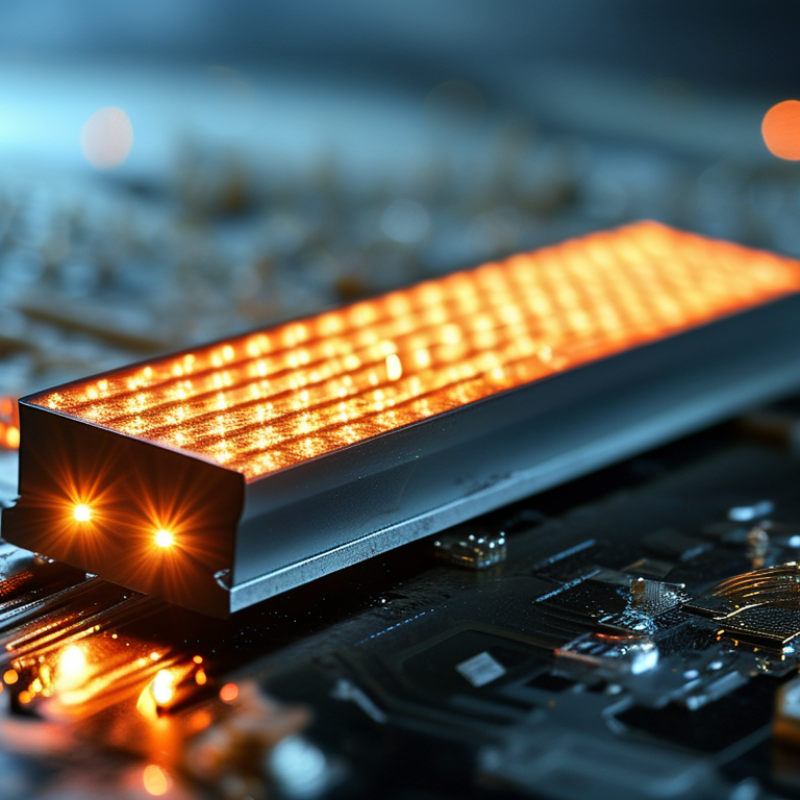
2026 Best Thermal Resistance Impact on LED Performance?

Thermal Resistance Overview in LED Technology

Thermal resistance significantly impacts LED performance. It determines how effectively heat dissipates from the LED chip. High thermal resistance can lead to increased junction temperatures. This condition reduces the LED's efficiency and lifespan.

Research indicates that optimizing thermal management can improve performance by 25% or more. Effective heat sinks and proper thermal interface materials are essential. A study by the Department of Energy found that thermal management enhancements could double the operational lifetime of LEDs. However, many designs still fail to account for thermal resistance adequately.

Inadequate thermal considerations can result in device failure. This is often overlooked in LED design specifications. The challenge lies in balancing thermal resistance and space constraints. It requires a deep understanding of materials and cooling techniques. Acknowledging potential thermal issues is critical for efficient LED technology.

2026 Best Thermal Resistance Impact on LED Performance

LED Type Thermal Resistance (°C/W) Junction Temperature (°C) Luminous Efficacy (lm/W) Lifespan (hours)
Standard White LED 80 85 100 25,000
High Power LED 35 90 130 50,000
COB LED 50 80 120 40,000
SMD LED 60 75 110 30,000

Impact of Thermal Resistance on LED Efficiency

Thermal resistance plays a crucial role in determining LED efficiency. As LEDs operate, they generate heat. Excessive heat can lead to elevated thermal resistance, which adversely affects performance. Elevated temperatures can reduce light output and shorten lifespan. This creates a cycle where heat accumulation limits efficiency.


Effective thermal management is essential for maximizing LED performance. Heat sinks, thermal interface materials, and proper circuit design can help mitigate thermal resistance. When these elements are overlooked, it can lead to device failure. Many implement standard practices but neglect to assess their specific thermal challenges. This oversight can drastically impact reliability.


Real-world applications often reveal flaws in thermal designs. For example, poorly placed heat sinks can cause hotspots, while inadequate airflow can trap heat. Understanding these nuances is vital. It demands continuous refinement and monitoring. Without such diligence, the results may not meet industry standards, and potential improvements might be missed.

Key Factors Influencing LED Thermal Resistance

Thermal resistance plays a crucial role in LED performance. Heat management is essential for ensuring that LEDs function optimally. High thermal resistance can lead to overheating, reducing their lifespan. Proper thermal management techniques can help alleviate these issues.


Several factors influence thermal resistance in LEDs. The choice of materials is significant. Employing high-conductivity materials can minimize heat buildup. The design of the LED package also matters. A well-designed package allows for better heat dissipation. Additionally, ambient temperature can affect thermal performance. It is vital to maintain an optimal working environment for LEDs.


Users often overlook the importance of heatsinks. However, they are indispensable in maintaining low thermal resistance. Choosing inadequate heatsinks may lead to performance issues. Regular maintenance and monitoring are necessary for maintaining optimal performance. It's easy to underestimate these aspects, but they are pivotal in achieving the best LED efficiency.

Methods for Reducing Thermal Resistance in LEDs

Thermal management is crucial for LED performance. High temperatures can lead to reduced efficiency and shorter lifespan. Therefore, reducing thermal resistance is essential. Effective design techniques help manage heat in LED applications.


Using materials with high thermal conductivity is one method. These materials, such as aluminum or copper, transfer heat away from the LED quickly. It’s vital to ensure proper thermal interface materials (TIMs) are used. Poor TIMs can severely affect performance.


Another strategy is enhancing airflow around LEDs. Proper ventilation allows heat to dissipate. Passive cooling solutions like heat sinks are also common. However, these methods can be bulky and may not suit all applications. Continuous exploration is necessary to find better methods for thermal management. There is always room for improvement in design and material selection.

Future Trends in LED Thermal Management Solutions

As LED technology continues to evolve, effective thermal management is more crucial than ever. Proper heat dissipation can significantly influence the lifespan and efficiency of LEDs. Innovations in thermal interface materials, heat sinks, and cooling systems show promise for improved performance. Advanced materials with high thermal conductivity are becoming vital. These advancements could lower junction temperatures, ultimately enhancing luminosity.

The shift towards more compact lighting designs presents challenges. As LED components become smaller, managing heat effectively is essential. Manufacturers are exploring new geometries and materials for heat sinks. Simulation technologies are aiding in the development of designs that optimize airflow and heat dissipation. They help in creating efficient systems while avoiding overheating.

However, as we strive for better thermal management solutions, the industry faces hurdles. Costs for innovative materials can be high. There's also a need for standards in testing thermal performance. Addressing these issues is essential for driving widespread adoption. Continuous research and collaboration across the industry could help tackle these challenges. It remains to be seen how effectively the industry can integrate these solutions into mainstream applications.

2026 Best Thermal Resistance Impact on LED Performance

FAQS

: Why is thermal resistance important for LEDs?

: Thermal resistance affects LED performance. High resistance can cause overheating and shorten lifespan.

What materials help minimize thermal resistance?

High-conductivity materials like aluminum and copper reduce heat buildup effectively.

How does the LED package design influence thermal performance?

A well-designed package allows better heat dissipation, improving thermal management significantly.

Why are heatsinks crucial in LED applications?

Heatsinks help maintain low thermal resistance. Inadequate heatsinks may lead to reduced performance.

What role does ambient temperature play?

Ambient temperature impacts thermal performance. Optimal environments are essential for LED efficiency.

How can airflow around LEDs affect heat dissipation?

Enhanced airflow facilitates heat dissipation, improving overall thermal management in applications.

What are thermal interface materials (TIMs)?

TIMs are used to enhance heat transfer between components, critical for maintaining performance.

Are passive cooling solutions always effective?

Passive cooling, while common, may not suit all setups. They can be bulky.

Is regular maintenance important for LED thermal management?

Yes, monitoring and maintenance are vital for maintaining optimal LED performance and efficiency.

Is there always room for improvement in thermal management techniques?

Definitely, continuous exploration can lead to better designs and materials in LED technology.

Conclusion

The article "2026 Best Thermal Resistance Impact on LED Performance?" explores the critical role that thermal resistance plays in the efficiency and longevity of LED technology. It begins with an overview of thermal resistance in LEDs, explaining how excess heat can hinder performance and lead to premature failure. The discussion then delves into what is the impact of thermal resistance on LED performance, highlighting how effective thermal management can enhance overall light output and energy efficiency.

Key factors influencing thermal resistance, such as material selection and component design, are examined alongside various methods for reducing thermal resistance in LEDs, including advanced cooling techniques and better heat sink designs. Finally, the article outlines future trends in LED thermal management solutions, emphasizing the ongoing need for innovative approaches to ensure optimal LED performance in diverse applications.

Charlotte

Charlotte

Charlotte is a seasoned marketing professional with a deep understanding of the company's portfolio and a passion for elevating its presence in the market. With a keen eye for detail and a commitment to excellence, she ensures that our professional blog is regularly updated with insightful articles......