Choosing the right lighting solution can be daunting. One common question is, "What is the difference between SMD and COB LEDs?" These two technologies cater to different needs in the lighting industry. SMD (Surface-Mounted Device) LEDs offer flexibility in designs. They are compact and highly customizable, making them a popular choice for retail and commercial applications. According to a recent report by MarketsandMarkets, the global LED market size is projected to reach $100 billion by 2025, reflecting the growing demand for efficient lighting solutions.
On the other hand, COB (Chip on Board) LEDs provide higher brightness and better thermal management. This technology integrates multiple LED chips into a single module, ensuring a more uniform light output. A study by Research and Markets indicates that COB LED adoption is on the rise, especially in high-power applications like automotive lighting and outdoor fixtures. However, users may find that COB solutions can be less versatile in certain contexts.
Understanding these distinctions is crucial for making informed choices. Each LED type has its strengths and weaknesses. Evaluating your specific requirements—such as brightness, efficiency, and application type—can help you select the right technology for your project.
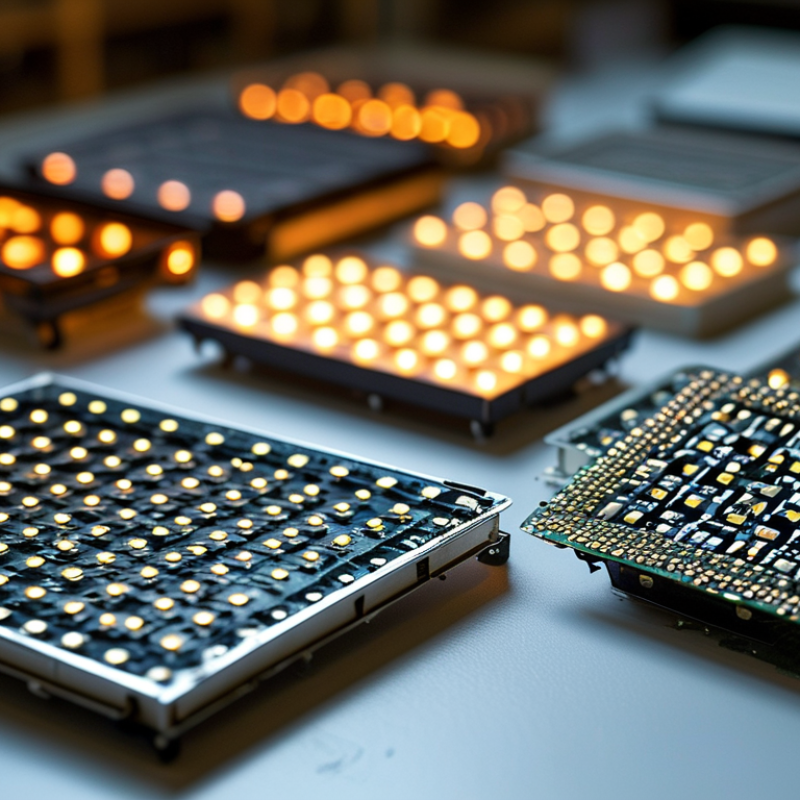
Understanding the Basics of SMD and COB LED Technology
When selecting between SMD (Surface-Mounted Device) and COB (Chip-on-Board) LEDs, understanding the technology helps in making informed choices.
SMD LEDs are compact and efficient. They are typically used for displays and decorative lighting. Their flexibility allows them to fit into various applications effortlessly. However, they might not always provide the intense brightness needed for larger spaces.
COB LEDs, on the other hand, integrate multiple LED chips into a single module. This design yields a higher light output. The fixture has a more uniform light distribution, reducing shadowing effects.
Yet, COB LEDs can be more challenging to manage in terms of heat dissipation. It’s essential to have proper thermal management while considering this option.
Choosing the right type depends on factors like the application, space, and desired illumination level. It’s important to reflect on specific needs. Each technology has strengths and weaknesses.
A tailored approach is necessary to align your choice with the practical requirements of your project. Evaluating lighting intensity, color quality, and layout will guide your decision-making process effectively.
Key Differences Between SMD and COB LEDs
When choosing between SMD (Surface-Mount Device) and COB (Chip-on-Board) LEDs, it's crucial to understand their key differences.
SMD LEDs are versatile due to their compact size and come in various shapes. They typically produce a high amount of brightness and can be easily mounted on flexible circuits.
Industry reports suggest that SMD LEDs are preferred in applications where specific color outputs are necessary, like mood lighting or indoor spaces.
COB LEDs, on the other hand, offer higher efficiency. They consist of multiple LED chips mounted closely on a circuit board, providing a uniform light output.
This technology minimizes the shadow effect and increases light density. A report indicated that COB LEDs can reach an efficacy of up to 150 lumens per watt, making them suitable for high-lumen applications such as street lighting and commercial use.
However, these benefits can come at a higher initial cost.
It is essential to reflect on how your specific needs align with these characteristics.
The decision will be influenced by factors such as heat management, light quality, and installation environment.
While SMD LEDs are flexible, COBs provide an advantage in efficiency. Making an informed choice requires considering both immediate needs and long-term benefits.
Balancing performance with cost is key.
Factors to Consider When Choosing LEDs for Your Project
When selecting between SMD (Surface-Mounted Device) and COB (Chip on Board) LEDs, several factors need consideration. One crucial aspect is brightness. SMD LEDs are known for their higher brightness levels, making them ideal for applications requiring intense illumination. COB LEDs, however, provide a softer light quality and distribute heat more effectively. This makes them suitable for settings where a gentle ambient light is necessary.
Another factor to reflect upon is heat management. SMD LEDs tend to generate more heat, which can affect their lifespan if not properly managed. Conversely, COB LEDs spread heat across their surface, often extending their operational life. Evaluating heat generation and dissipation aligns with your project’s needs.
Finally, the cost plays a significant role. SMD LEDs generally have lower upfront costs but may require more complex circuitry. In contrast, COB LEDs may appear expensive initially but often save money in the long run due to efficiency and longevity. Weighing these elements helps create a balance between budget, performance, and longevity in LED selection.
How to Choose Between SMD and COB LEDs for Your Needs? - Factors to Consider When Choosing LEDs for Your Project
| Criteria |
SMD LEDs |
COB LEDs |
| Light Output |
Moderate |
High |
| Heat Dissipation |
Moderate |
Excellent |
| Size |
Small |
Larger |
| Cost |
Generally lower |
Generally higher |
| Applications |
Wide range including displays |
High-end lighting solutions |
| Lifespan |
Up to 50,000 hours |
Up to 100,000 hours |
Application Scenarios for SMD vs. COB LEDs
SMD (Surface Mounted Device) and COB (Chip on Board) LEDs serve distinct purposes in various applications. SMD LEDs are compact and typically used for backlighting and display purposes. Their versatility makes them ideal for tasks requiring multiple colors and dynamic lighting. According to a report by LED Magazine, SMDs account for about 70% of the LED market. Their slim profile allows integration into tight spaces, which is crucial for modern electronic designs.
On the other hand, COB LEDs excel in high-lumen output and thermal management. They are often utilized in commercial lighting and industrial applications where brightness is paramount. A study conducted by Strategies Unlimited indicates that COB technology is gaining traction in applications needing uniform light distribution. The increased efficiency and lower thermal resistance allow these LEDs to operate cooler, which enhances their lifespan.
Despite their advantages, both types of LEDs have limitations. SMDs can struggle with heat dissipation in high-power applications. COBs may have higher initial costs, which can deter some users. Each scenario requires careful assessment to choose the most suitable LED type for your specific needs. Analyzing lighting plans and future scalability can lead to better long-term solutions.
Evaluating Cost-Effectiveness and Efficiency in LED Selection
Choosing between SMD and COB LEDs can be challenging. Evaluating
cost-effectiveness and efficiency is crucial.
SMD LEDs tend to be cheaper initially. However, their efficiency may vary based on usage. In contrast, COB LEDs,
while potentially more expensive, offer higher efficiency and brightness.
Their design allows superior heat dissipation.
This feature can lead to longer life spans and lower replacement costs.
When considering cost-effectiveness, assess your project requirements. Will you use them for long hours?
If so, COB might be the better option. It’s essential to analyze how often you change bulbs. Frequent replacements can increase
costs over time. For short-term projects, SMD may suffice, given
its lower upfront cost. However, monitor energy consumption closely. Lower efficiency can lead to higher electricity bills.
Reflect on your priorities for lighting. Is brightness more
important than cost? Or is initial investment your main concern? Discussing these factors with experts can guide
your decision. Make use of online resources to compare actual performance. Pay attention to reviews
and feedback. Emphasize long-term savings against
initial investments. Understanding these details ensures a more informed choice.
FAQS
: SMD LEDs are compact and ideal for backlighting and display purposes. They fit well in tight spaces.
COB LEDs excel in brightness and heat management. They provide uniform light, making them ideal for commercial lighting.
SMD LEDs generate more heat, impacting their lifespan if not managed. COB LEDs distribute heat better, extending operational life.
Yes, SMD LEDs usually have lower upfront costs. However, they might need complex circuitry, increasing installation expenses.
Yes, while they have higher initial costs, COB LEDs often provide better efficiency and longevity, leading to savings.
Consider brightness, heat management, and cost. Balancing these factors aligns well with specific project needs.
Not really. SMDs can struggle with heat dissipation in high-power settings, which could pose challenges.
SMDs face heat issues in high power uses. COBs can have high initial costs that might discourage some users.
Proper thermal management ensures longer lifespan and efficiency. It can make a significant difference in LED performance.
Analyzing future needs helps in selecting the right type of LED, ensuring effective long-term solutions and adaptability.
Conclusion
When choosing between SMD (Surface Mount Device) and COB (Chip on Board) LEDs, it's essential to understand the fundamental differences in their technology. SMD LEDs feature individual chips, making them versatile for various applications and offering ease of installation. In contrast, COB LEDs bundle multiple chips into a single module, providing higher lumen output and better thermal management, which makes them suitable for high-intensity lighting scenarios.
Key factors to consider in the selection process include the specific application requirements, desired brightness, efficiency, and cost-effectiveness. Understanding "What is the difference between SMD and COB LEDs" will help you make informed decisions tailored to your project's needs, whether for residential use, commercial lighting, or specialized applications. By evaluating these aspects, you can effectively determine which LED technology will deliver the best performance and value for your specific requirements.

 Zever Light