Top 10 Common Causes of LED Chip Failure You Should Know?

Time:2026-08-07 Author:Isabella
0%

LED technology is praised for its efficiency and longevity. However, it is not immune to failure. What are the common causes of LED chip failure? According to a recent report by the International Solid-State Lighting Alliance, nearly 30% of LED failures occur within the first year of use. This highlights the importance of understanding the underlying issues that plague this technology.

Poor thermal management is often a key factor. Excessive heat can cause degradation, leading to premature failures. Additionally, defects during manufacturing can compromise the integrity of the LED chip. Variations in material quality further contribute to reliability issues. Market research from Strategies Unlimited indicates that about 40% of failures are linked to these manufacturing defects.

Environmental factors play a critical role as well. Humidity and dust can degrade performance over time. End users must also consider the impacts of improper installation. These insights emphasize that while LEDs are robust, vigilance is essential. Recognizing these common causes can help manufacturers and consumers make informed decisions, ultimately enhancing the lifespan of LED products.
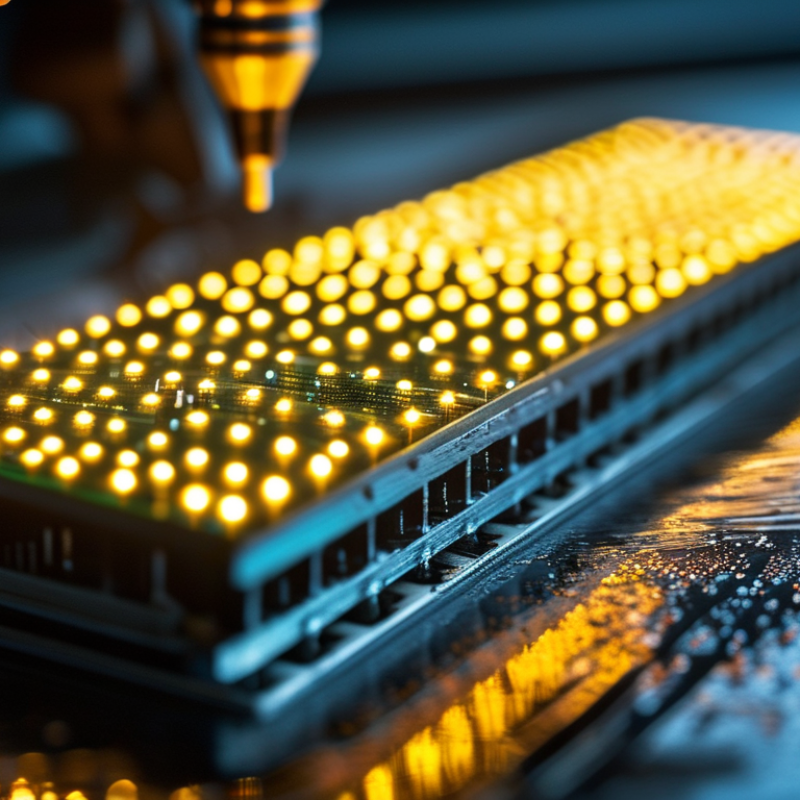
Top 10 Common Causes of LED Chip Failure You Should Know?

Common Causes of LED Chip Failure: Overview of Key Issues

LED chips have become ubiquitous in modern lighting. However, they can fail due to various issues. Understanding these causes is crucial for effective usage and longevity.

One common cause is thermal management. LEDs generate heat, and if not properly dissipated, it can lead to failure. Poor heat sinks or inadequate ventilation contribute significantly to overheating. This can cause the chip to degrade over time.

Moisture intrusion is another significant issue. Exposure to humidity can damage LED circuitry. Proper sealing and encapsulation are vital for preventing water ingress. Regular inspections can help identify potential areas of concern before they lead to failures.

Tips: Ensure your LED fixtures have adequate cooling. Check for signs of moisture and act quickly. Investing in quality components can save time and resources in the long run. Regular maintenance and monitoring can lead to early detection of problems.

Additionally, power surges can adversely affect LED performance. Fluctuations in voltage may cause chips to malfunction or fail. Installing surge protectors can provide an extra layer of security. It’s vital to educate users about the risks of improper voltage supply.

Thermal Management: The Impact of Heat on LED Lifespan

Thermal management plays a critical role in determining the lifespan of LED chips. Heat is a significant factor influencing performance and longevity. Research indicates that managing thermal conditions can improve LED lifespan by up to 50%. High temperatures can lead to accelerated degradation of the chip materials and affects the light output. Continuous exposure to elevated temperatures shortens the expected lifespan significantly.

Effective thermal management requires careful design and implementation of heat sinks and thermal interfaces. Solid thermal conductivity materials can transfer heat away from LED chips efficiently. Data from industry reports show that inadequate thermal management can reduce illuminance by 30% over time. Interestingly, many designs do not prioritize thermal solutions, leading to premature failures. A common oversight is the selection of low-quality thermal pastes, which can worsen heat dissipation.

Inadequate ventilation is another concern. Many fixtures fail to provide proper airflow, trapping heat. As a result, the LED chips can overheat even if other components operate well. In some cases, LED manufacturers reported failures linked specifically to poor thermal design. Creating a balance between aesthetics and functionality is crucial. Reflecting on these factors can ensure longer-lasting LED applications.

Electrical Overstress: Consequences of Voltage and Current Surges

Electrical overstress (EOS) is a significant cause of LED chip failure. Voltage and current surges can greatly impact the life expectancy of these components. For instance, a report by the National Institute of Standards and Technology states that EOS accounts for nearly 30% of LED failures in the industry. This indicates the prevalence of stress-induced damage in otherwise well-manufactured chips.

When brief surges exceed the rated voltage or current, it leads to degradation. An internal breakdown can occur at the semiconductor junctions. Many manufacturers understate their chips’ tolerance for voltage spikes. A mere 10% excess can accelerate aging. Accurate testing is crucial; however, it is not always implemented consistently. Quality control often overlooks rigorous stress testing for maximum thresholds.

Thermal effects compound these issues. Increased heat from higher currents can change physical properties of the materials. The thermal coefficient may rise, leading to thermal runaway. This often happens without clear warnings, making it difficult for users to anticipate failures. Inadequate attention to these parameters risks shortening device life spans. Many in the industry acknowledge these pitfalls but still pursue cost-cutting measures instead of improving testing protocols. Understanding these challenges is essential for better design and manufacturing practices.

Top 10 Common Causes of LED Chip Failure You Should Know - Electrical Overstress: Consequences of Voltage and Current Surges

Cause Description Impact Prevention
Electrical Overstress Damage caused by excess voltage or current surges. Can lead to catastrophic failure of the LED chip. Use surge protection devices.
Thermal Stress Overheating of LED chips during operation. Performance degradation and shortened lifespan. Implement proper heat sinks or cooling systems.
Mechanical Stress Physical damage due to improper handling or mounting. Cracks or breakage of the LED chip. Use appropriate handling techniques.
Humidity and Moisture Exposure to moisture can lead to corrosion. Decreased efficiency and failure of the chip. Utilize moisture-proof encapsulation.
Poor Quality Control Defective components due to inadequate testing. High failure rate in installations. Ensure rigorous quality assurance processes.
Overdriving Running the LED chip above its rated current. Rapid failure of the LED chip. Adhere to electrical specifications.
Binning Issues Inconsistent color and brightness values. Customer dissatisfaction and returns. Use proper binning procedures.
Inadequate Packaging Insufficient protection from environmental factors. Loss of operational reliability. Develop stronger LED encapsulation.
Solder Joint Issues Defective solder connections in packaging. Intermittent or loss of LED function. Ensure precise soldering techniques.

Manufacturing Defects: Role of Quality Control in LED Reliability

Manufacturing defects pose significant challenges in LED production. Quality control plays a vital role in ensuring product reliability. Ineffective checks can lead to issues that affect performance. For instance, improper soldering can result in weak connections. These weak points often lead to premature failures. It's crucial for manufacturers to invest in rigorous testing processes.

Components must meet strict quality standards. However, defects can slip through unnoticed. This might happen due to rushed inspections or lack of experienced personnel. A minor oversight can result in substantial losses. Regular audits can help identify these gaps in the process. When inspections are not thorough, the entire batch may be compromised.

Moreover, maintaining good relationships with suppliers is essential. Poor quality materials can lead to failures later. It’s an ongoing challenge for manufacturers to uphold high standards. Continuous training and development of staff can mitigate some risks. Balancing efficiency with quality assurance requires constant vigilance. The stakes are high, and manufacturers must always aim for improvement.

Top 10 Common Causes of LED Chip Failure

Environmental Factors: Influence of Moisture and Contaminants on LEDs

Moisture and contaminants pose significant threats to LED chips. These environmental factors can lead to premature failure. Even a small amount of moisture can create an ideal environment for corrosion. When moisture penetrates the LED housing, it can damage internal components. This damage often goes unnoticed until failure occurs.

Tips: Always store LED fixtures in a dry place. Use moisture-absorbing materials when packing them. Regularly check for signs of water damage.

Dust and other pollutants can also infiltrate LED systems. Contaminants affect light quality and reduce lifespan. Over time, buildup can lead to overheating. High temperatures worsen the integrity of semiconductor materials. Once this process begins, it’s often too late to reverse the damage.

Tips: Clean LED fixtures periodically. Use a soft, dry cloth. Avoid using harsh chemicals that might scratch surfaces. Keep LEDs away from areas with high dust or smoke.

FAQS

: What causes LED chips to fail?

: Common causes include poor thermal management, moisture intrusion, and electrical overstress.

How does thermal management affect LED lifespan?

Inadequate heat dissipation can lead to overheating, degrading the LED chip over time.

What role does moisture play in LED chip failure?

Humidity can damage circuitry. Proper sealing and encapsulation are essential to prevent this.

How can power surges impact LED performance?

Voltage fluctuations can lead to malfunctions or failures, making surge protection important.

What is electrical overstress (EOS)?

EOS occurs when voltage or current surges exceed rated levels, causing early degradation of LEDs.

How significant is EOS in LED failures?

EOS accounts for nearly 30% of LED failures, indicating widespread stress-related damage.

What can users do to prevent LED failure?

Regular maintenance, ensuring adequate cooling, and monitoring for moisture can help identify issues early.

How do manufacturers often handle testing for LED chips?

Quality control sometimes overlooks rigorous stress testing, risking early failures.

Can thermal effects worsen existing issues?

Yes, increased heat from high currents can lead to thermal runaway, causing unforeseen failures.

What should be prioritized to improve LED chip reliability?

Understanding issues and investing in quality testing and design practices are essential.

Conclusion

LED chips are crucial components in modern lighting solutions, and understanding what are the common causes of LED chip failure is essential for ensuring their reliability and longevity. Key issues include thermal management, where excessive heat can significantly shorten the lifespan of LEDs if not properly managed. Additionally, electrical overstress from voltage and current surges can lead to immediate failure, underscoring the need for appropriate surge protection.

Manufacturing defects also play a critical role in LED reliability, highlighting the importance of quality control during production. Furthermore, environmental factors such as moisture and contaminants can adversely affect LEDs, leading to performance degradation. By addressing these issues, manufacturers can enhance LED chip reliability and extend their operational life, ultimately benefiting consumers and industries that rely on efficient lighting solutions.

Isabella

Isabella

Isabella is a dedicated marketing professional with a sharp focus on driving brand growth and engagement through strategic content creation. With an extensive background in digital marketing, she combines her passion for storytelling with her keen understanding of industry trends to deliver......