The advancement of high-wattage LEDs has illuminated many sectors, from automotive to architectural lighting. However, one critical question remains: What are the cooling requirements for high-wattage LEDs? Dr. Alice Johnson, an expert in thermal management, emphasizes, "Effective cooling is not just a choice; it's a necessity for the longevity and performance of high-wattage LEDs."
High-wattage LEDs generate significant heat during operation. This heat can lead to reduced efficiency and shorter lifespan if not properly managed. Various cooling technologies, such as heat sinks and active cooling solutions, are crucial in maintaining optimal temperatures. Not all designs implement cooling solutions effectively. Some overlook this, resulting in catastrophic failures.
Designers must consider factors like environment and operation duration when developing cooling systems. Ignoring these details can lead to inefficiencies. Achieving the right balance between performance and cooling is essential. It requires collaboration between engineers and designers. Understanding "What are the cooling requirements for high-wattage LEDs" is the first step toward ensuring reliability and achieving excellence in LED technology.
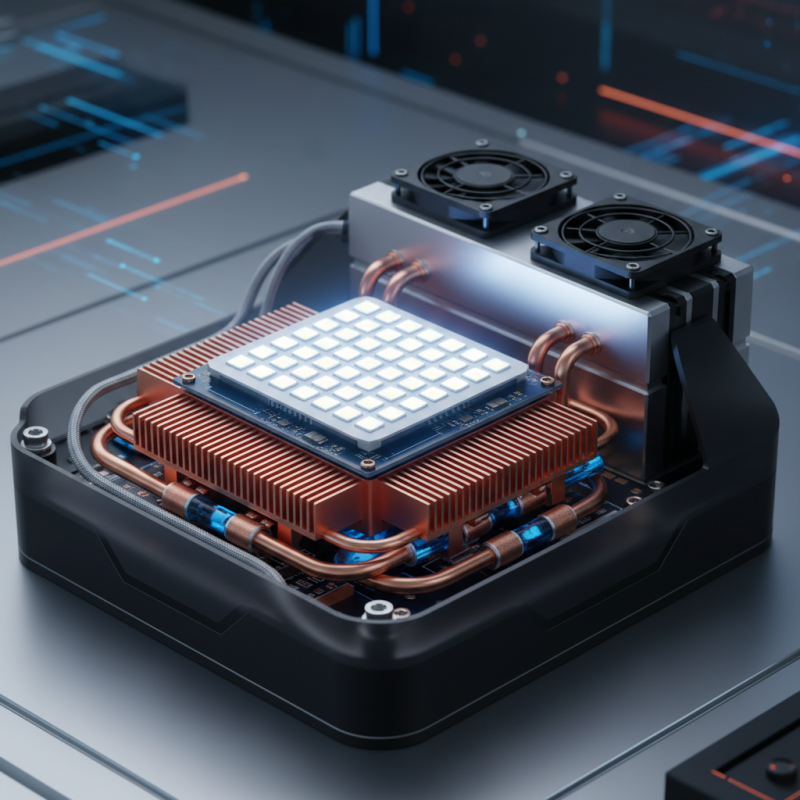
Top 10 Cooling Requirements for High Wattage LEDs
High wattage LEDs generate substantial heat. Effective cooling is crucial to maintain their performance and lifespan. Overheating can lead to reduced light output and potential failure. Understanding the cooling requirements can significantly enhance LED efficiency.
Proper heat dissipation methods are essential. Heat sinks are popular for dissipating heat away from LEDs. Ensure these components have adequate surface area. Also, consider thermal paste for better heat transfer. A well-designed cooling system prolongs the life of your LEDs.
Tips: Monitor the operating temperature. If possible, use temperature sensors to provide real-time data. This can help in making timely adjustments. Another approach is to use active cooling methods, such as fans, especially in high-power applications. Balancing natural and forced convection can optimize cooling efficiency.
Moreover, ventilation plays a key role. Adequate airflow ensures that heat does not accumulate. Consider the placement of your LED units—avoid enclosed spaces that can trap heat. Investing time in planning the layout can pay off significantly in terms of performance.
Understanding Thermal Management in High Wattage LED Applications
Thermal management is crucial in high wattage LED applications. Without effective cooling, LEDs can overheat, leading to performance issues and a shorter lifespan. The first step is to ensure that heat sinks are properly designed. A well-structured heat sink enhances heat dissipation, reducing thermal resistance. However, many designs overlook the importance of material choice. Using materials with high thermal conductivity can significantly improve heat management.
Active cooling methods can also play a significant role. Fans or liquid cooling systems are often employed for larger installations. These systems actively remove heat, maintaining optimal temperatures. However, they also introduce complexity and potential points of failure. Regular maintenance becomes essential to prevent overheating. In some cases, a combination of passive and active cooling works best. It’s crucial to assess specific application needs before deciding.
While understanding these cooling requirements is essential, flaws can arise in implementation. Often, installations may not consider ambient conditions. For instance, enclosing LED fixtures in poorly ventilated spaces can lead to increased temperatures. This oversight can undermine the benefits of even the best cooling systems. An iterative approach to design and testing can help identify and rectify these issues early in the process.
Top 10 Cooling Requirements for High Wattage LEDs
Key Factors Influencing LED Temperature and Performance
Effective thermal management is crucial for the performance of high wattage LEDs. Poor heat dissipation can lead to elevated junction temperatures. This, in turn, affects the LED's luminous efficacy, lifespan, and overall efficiency. Research shows that every 10°C increase in temperature can halve the expected lifespan of an LED. Thus, maintaining an optimal operating temperature is vital.
One key factor influencing LED performance is the material used in the heat sink. High-quality aluminum and copper heat sinks can significantly reduce thermal resistance. A study published in the "Journal of Electronic Materials" indicates that optimized heat sink designs can decrease thermal resistance by up to 30%. This improvement allows LEDs to operate more effectively and reduces the risk of thermal runaway.
Another critical element is the ambient temperature in which the LEDs are used. High ambient temperatures can exacerbate heat buildup. Properly designed ventilation systems can mitigate this issue, ensuring adequate airflow around the LED units. Reports suggest that incorporating active cooling methods, like fans, can enhance thermal management and improve LED efficiency by over 25%. Addressing these factors is essential for maximizing LED performance and reliability.
Top 10 Cooling Requirements for High Wattage LEDs
| Cooling Method |
Efficiency (%) |
Cost ($) |
Weight (kg) |
Lifespan (hours) |
Setup Complexity |
| Passive Heat Sinks |
80 |
50 |
5 |
100000 |
Low |
| Active Air Cooling |
90 |
150 |
7 |
50000 |
Medium |
| Liquid Cooling |
95 |
300 |
10 |
80000 |
High |
| Peltier Coolers |
85 |
200 |
6 |
40000 |
Medium |
| Thermoelectric Units |
80 |
250 |
8 |
35000 |
High |
| Heat Pipes |
88 |
120 |
4 |
60000 |
Medium |
| Forced Air Ventilation |
82 |
90 |
3 |
75000 |
Low |
| Phase Change Materials |
87 |
180 |
5 |
55000 |
Medium |
| Natural Convection |
75 |
40 |
2 |
90000 |
Low |
| Hybrid Systems |
95 |
400 |
12 |
100000 |
High |
Comparing Passive vs. Active Cooling Solutions for High Wattage LEDs
When using high wattage LEDs, effective cooling is crucial. These LEDs generate significant heat, which can lead to performance issues if not managed properly. Passive cooling solutions, such as heatsinks, rely on natural convection. They are often simpler and require less maintenance. Their design utilizes the surrounding air to dissipate heat away from the LED, creating a reliable, if sometimes limited, cooling effect.
Active cooling solutions involve fans or even liquid cooling systems. These can remove heat more efficiently from the LED assemblies. However, they add complexity to the overall system. With moving parts, there’s a risk of failure over time. Moreover, active cooling can produce additional noise, which might not be suitable for all environments. Each cooling method has its advantages and deficiencies.
Choosing the right cooling solution involves considering the specific application demands and environment. Sometimes, passive systems can be sufficient for lower wattage applications. In contrast, high wattage setups may necessitate active solutions. Understanding the thermal dynamics at play allows for better decision-making, ensuring reliability and longevity in LED performance.
Industry Standards for Thermal Performance in High Wattage LED Lighting
In the realm of high wattage LED lighting, thermal performance is crucial. Industry standards dictate specific cooling requirements to ensure efficiency and longevity. Effective heat management impacts the overall performance of LEDs. Manufacturers focus on cooling systems that dissipate heat quickly and uniformly. This prevents thermal degradation and extends the lifespan of the products.
Various standards exist that guide the design of cooling mechanisms. These guidelines often emphasize materials that conduct heat away effectively. For instance, aluminum is commonly used for its excellent thermal conductivity. However, relying solely on one material can lead to shortcomings in specific applications. The design should incorporate methods tailored to the unique demands of high wattage LEDs. Balancing heat dissipation with energy efficiency is a common challenge.
Additionally, not all LED applications are created equal. Performance requirements can vary significantly based on environmental factors. Areas with high ambient temperatures may require more advanced cooling techniques. Ventilation plays a key role in these settings. The need for adaptive cooling solutions highlights the importance of continuous research and development in this field.
Case Studies: Effective Cooling Strategies in High Wattage LED Installations
High wattage LEDs are essential for various applications, but effective cooling remains a challenge. The International Energy Agency (IEA) reports that LED technology holds a significant place in energy efficiency, providing over 80% savings compared to traditional lighting. However, high heat output can undermine this advantage.
Case studies demonstrate effective cooling strategies in high wattage installations. For example, a facility employing heat sinks and active cooling systems reduced temperatures significantly. These methods maintained LED efficiency while extending product lifespan. Interestingly, studies show that better thermal management can enhance light output by up to 20%.
Here are a few quick tips for efficient cooling:
- Use aluminum heat sinks to repel heat effectively.
- Consider active cooling solutions, like fans, to manage temperatures.
- Regularly inspect your cooling system to ensure it’s working optimally.
While advancements in cooling technology exist, many installations still overlook regular maintenance.
Neglect can lead to reduced efficiency and increased operational costs. Addressing cooling needs properly is crucial for embracing the full benefits of high wattage LEDs.
FAQS
: Cooling prevents overheating, which can reduce light output and shorten lifespan. Proper heat management is crucial for performance.
Heat sinks are popular for dissipating heat. They should have sufficient surface area for optimal performance.
Using thermal paste can enhance heat transfer between LEDs and heat sinks, improving overall cooling efficiency.
Yes, monitoring with temperature sensors can provide real-time data for timely adjustments and prevent overheating.
Active cooling systems, like fans, can maintain optimal temperatures but add complexity and the need for regular maintenance.
Many setups ignore ambient conditions, like enclosing LEDs in poorly ventilated spaces, which can trap heat and cause failures.
Regular inspections of cooling components are essential. Neglect can lead to efficiency drops and higher operational costs.
Materials with high thermal conductivity, like aluminum, are highly effective for heat sinks, aiding in better heat management.
Yes, combining passive and active cooling may yield better results. Assess specific needs before implementation.
It involves repeated testing and adjustments to identify and fix issues early, ensuring better thermal management in installations.
Conclusion
High-wattage LEDs require effective thermal management to ensure optimal performance and longevity, leading to the question: "What are the cooling requirements for high-wattage LEDs?" Key aspects involve understanding thermal behavior and the factors influencing LED temperature, such as ambient conditions and heat dissipation methods.
An examination of cooling solutions reveals a comparison between passive and active methods, each with distinct advantages. Industry standards further guide the development of thermal performance metrics, ensuring that installations adhere to best practices. Case studies illustrate successful cooling strategies, highlighting real-world applications and the importance of maintaining appropriate operating conditions for high-wattage LEDs to function efficiently and reliably.

 Zever Light