Switching to LED lighting components can significantly improve the ambiance and efficiency of your space. Many homeowners and businesses wonder, "How to convert traditional lighting to LED components?" This process involves understanding your current lighting systems and the benefits of LEDs.
LEDs are energy-efficient and long-lasting, offering savings on electricity bills. However, transitioning to LED can be daunting. It requires selecting the right LED products and ensuring compatibility with existing fixtures. Be aware that not all traditional fixtures support direct LED replacements. A thorough evaluation of your needs is crucial for a successful transition.
Consider the different types of LED options available. Some may not fit your decorative style or provide adequate brightness. It's also important to discern quality among brands. Investing in reputable manufacturers ensures reliability and performance. Overall, learning how to switch to LED components is a step towards better energy practices. It may require troubleshooting and adjustments, but the long-term benefits are worth the effort.
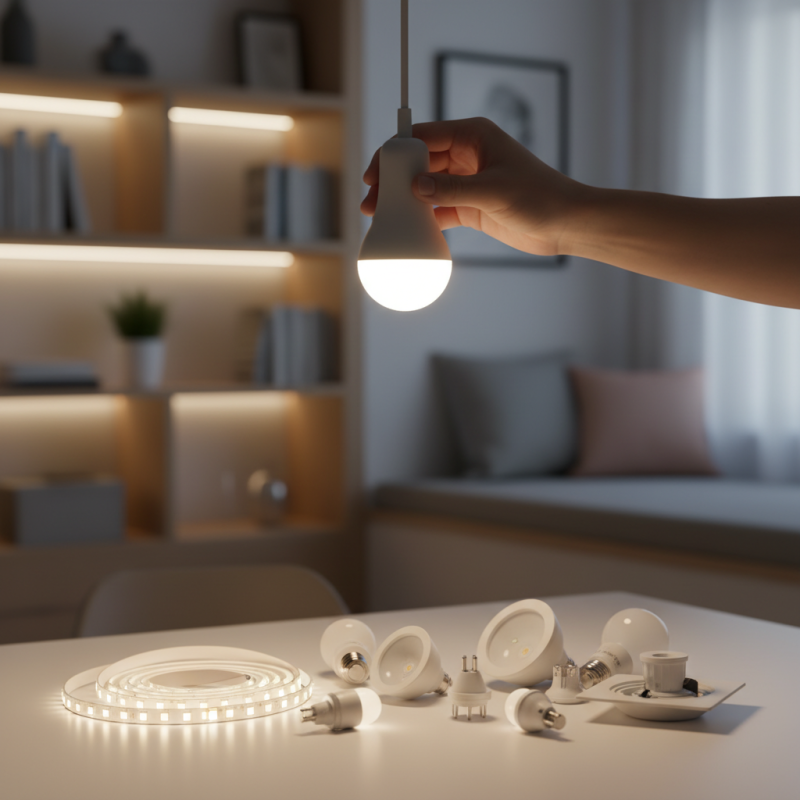
LED lighting offers numerous benefits that can transform any space. One of the most significant advantages is energy efficiency. LED bulbs consume up to 75% less energy than traditional incandescent bulbs, leading to noticeable reductions in monthly energy bills. This efficiency also translates to lower greenhouse gas emissions, contributing to a healthier planet.
Another key benefit is longevity. LED lights have a lifespan that can last up to 25,000 hours or more. This means less frequent replacements, reducing waste and saving you time and money. However, it’s essential to consider the upfront cost. While LED bulbs may be pricier initially, their long-term savings often outweigh this initial investment.
The quality of light is another compelling factor. LEDs provide better color rendering, enhancing the overall aesthetics of a room. They are available in various color temperatures, allowing you to choose the perfect ambiance. Still, it’s important to choose reputable sources when selecting LED products. This ensures safety and effectiveness in your lighting choices.
Switching to LED lighting components can seem challenging, but identifying the right options for your needs is crucial. According to the U.S. Department of Energy, LED bulbs use at least 75% less energy than incandescent bulbs. This data emphasizes the efficiency of LEDs, making them a popular choice for both residential and commercial spaces.
When selecting LED components, consider factors such as brightness, color temperature, and intended use. Brightness is measured in lumens. A standard LED bulb ranges from 800 to 1600 lumens, suitable for different rooms. Color temperature impacts ambiance. Options typically range from warm white (2700K) to daylight (5000K). Understanding these specifications helps tailor lighting to specific environments.
However, not all LEDs are created equal. Some products may offer poor color rendering or short lifespan. Researching reliability through consumer reports is essential. Approximately 25% of consumers report dissatisfaction with their initial LED choices. This statistic highlights a need for careful selection. Using credible sources and understanding your requirements can lead to a more satisfying switch to LED lighting.
| Component Type | Wattage | Lumens Output | Color Temperature (Kelvin) | Lifespan (Hours) | Energy Efficiency Rating |
|---|---|---|---|---|---|
| LED Bulb | 10W | 800 lm | 2700K | 25000 | A+ |
| LED Downlight | 15W | 1200 lm | 3000K | 30000 | A++ |
| LED Floodlight | 20W | 1800 lm | 4000K | 50000 | A++ |
| LED Strip Light | 5W | 400 lm | 5000K | 25000 | A+ |
| LED Pendant Light | 30W | 2500 lm | 3500K | 40000 | A++ |
Switching to LED lighting can be a rewarding upgrade. However, removing old fixtures requires care. Start by turning off the power at the circuit breaker. This step is crucial for your safety. Use a voltage tester to ensure the power is off. It’s easy to overlook this, but it can prevent electric shocks.
Next, gather your tools. You will need a screwdriver, ladder, and possibly a helper. Unscrew the old fixture carefully, holding it to prevent it from falling. Make sure to keep track of screws and parts. Some fixtures might be heavier than expected. It’s handy to have someone support it as you disconnect the wiring.
Take note of the wiring connections. Label them if you need to. This helps when installing your new LED fixture. Sometimes, the wires can be tangled or difficult to access. Patience is key here. Ensure you’re not rushing through this process. If you find corrosion or brittle wires, reflect on the condition before proceeding. Taking your time will ensure a secure and effective switch to LED lighting.
When transitioning to LED lighting, choosing compatible fixtures is crucial. According to a report by the Department of Energy, LED lighting can be up to 80% more efficient than traditional bulbs. However, not all fixtures are designed to accommodate these energy-saving technologies. It's essential to check the compatibility of existing fixtures before purchasing LED bulbs.
Different types of LED bulbs are available, such as dimmable and non-dimmable options. Not all fixtures can handle dimmable bulbs, which might lead to flickering or reduced lifespan. Industry studies indicate that improper pairing can cut a bulb's lifespan by 50%. Look for the compatibility rating on packaging, which will help in making the right decision.
Moreover, consider the color temperature and lumens. A warm white LED might be suitable for living spaces, while cooler tones are ideal for work areas. Discrepancies in color temperature can create an unpleasing ambiance. Many consumers overlook this, leading to dissatisfaction with their lighting setup. Ensure to read reviews and consult with lighting professionals to find suitable solutions for your specific needs.
Installing new LED lighting components can be straightforward, yet some details often go overlooked. Begin by ensuring that you choose the right type of LED bulb for your fixture. Consider the brightness, color temperature, and compatibility with dimmers. A mismatched bulb can lead to flicker or inadequate lighting.
When it comes to installation, safety is paramount. Turn off the power at the circuit breaker before unscrewing any existing bulbs. Pay attention to the wiring. Obvious mistakes can lead to shorts or even damage to the fixtures. It's common to assume that all fixtures connect the same way, but variations exist. Always refer to the manual for guidance.
After installation, it’s time to test your new lighting. Turn the power back on and check each fixture carefully. Look for any flickering or unusual noises. If you notice anything odd, it may suggest an issue with the installation. Sometimes, it’s easy to overlook a detail in the initial excitement. Reflect on the process to identify any mistakes. Learning from these experiences will enhance your lighting skills for the future.
: LED bulbs use at least 75% less energy than incandescent bulbs, making them a highly efficient choice.
Brightness is measured in lumens. Standard LED bulbs range from 800 to 1600 lumens for various rooms.
Color temperature affects ambiance, ranging from warm white (2700K) to daylight (5000K). Choose according to your needs.
No, some LEDs may have poor color rendering or short lifespan. Research is important before making a purchase.
Compatibility is crucial. Not all fixtures support LED bulbs, which can lead to flickering or reduced lifespan.
No, not all fixtures work with dimmable bulbs. Check compatibility ratings to avoid issues.
Mismatching can cut a bulb’s lifespan by up to 50%. Proper compatibility is key to performance.
Many consumers feel dissatisfied with their choices. Reviews help identify reliable products and suitable options.
Overlooking color temperature and compatibility is frequent. These oversights can lead to dissatisfaction with lighting quality.
Understanding specifications and consulting professionals ensures a better fit for your unique lighting needs.
Switching to LED lighting components is a straightforward process that can significantly enhance your space while also offering energy efficiency. To start, it's essential to understand the benefits of LED lighting, such as lower energy consumption and longer lifespan. Next, identify the right LED components that suit your specific needs, ensuring compatibility with your existing fixtures.
Once you have selected the appropriate components, the process of removing old lighting fixtures can be done safely and efficiently by following proper safety precautions. After removal, choose compatible LED fixtures and bulbs tailored to your setup. Finally, installing and testing your new LED lighting components will ensure a smooth transition. By following these steps, you will effectively learn how to convert traditional lighting to LED components, transforming your environment for the better.

Zever Light