Understanding "Why do LEDs lose brightness over time (lumen depreciation)" is crucial for effective lighting solutions. LED technology is popular due to its low energy consumption and longevity. However, many users notice a decline in brightness over time. This phenomenon is known as lumen depreciation.
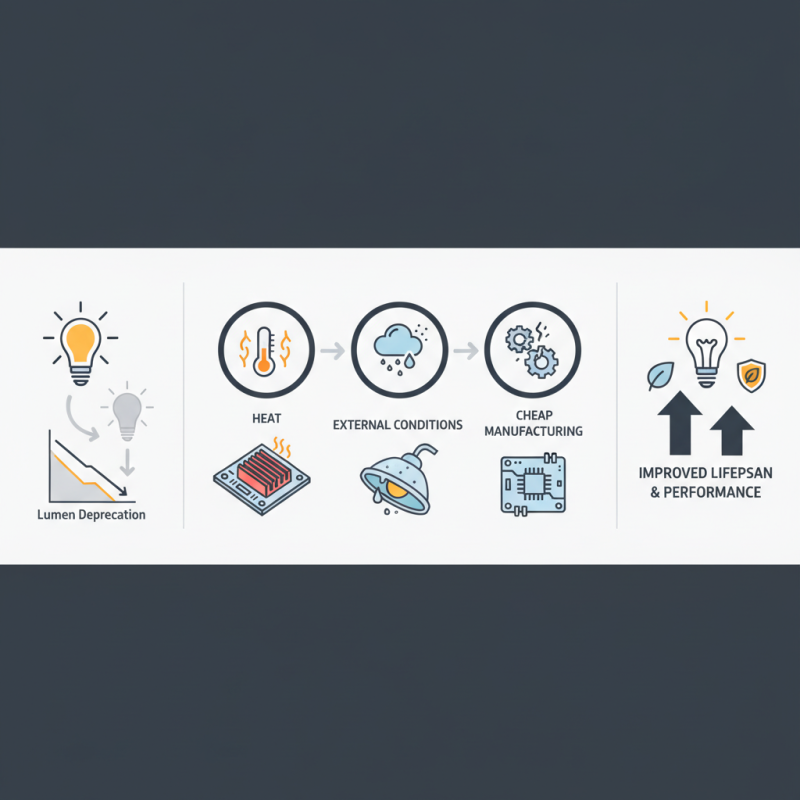
Lumen depreciation refers to the gradual loss of light output from an LED. Various factors contribute to this decline. Heat can significantly affect LED performance. Poor thermal management leads to increased temperatures, which degrade the materials inside the LED. Over time, this results in reduced brightness.
External conditions also play a role. Dust and moisture accumulation can obstruct light output. Additionally, cheap manufacturing practices may lead to lower-quality components, compromising longevity. By understanding why LEDs lose brightness, users can make informed decisions when choosing lighting options. Addressing these issues can ultimately improve the lifespan and performance of LED lights.
Understanding Lumen Depreciation in LED Technology
Lumen depreciation refers to the gradual reduction in brightness of LED lights over time. This phenomenon occurs due to several factors. Heat generated during operation, for example, can damage the LED components. Poor thermal management may worsen this issue. Manufacturers strive to design systems that dissipate heat effectively, yet imperfections persist in many models.
Another factor is material degradation. The components of an LED, including the semiconductor and phosphors, can deteriorate with prolonged use. Environmental factors like humidity and temperature fluctuations also contribute to lumen depreciation. Many users will notice a dimming in light output, often not realizing that this is a natural process.
Lumen depreciation isn't limited to a single percentage. Generally, a quality LED retains about 70% of its original brightness at 25,000 hours of use. Understanding this helps consumers make informed choices. Regular maintenance and monitoring can extend the lifespan of LEDs. Ignoring lumen depreciation might lead to unexpected replacements and increased costs over time. Relying solely on initial brightness can be misleading, emphasizing the need for awareness in LED usage.
Factors Contributing to Brightness Loss in LEDs
LEDs are praised for their energy efficiency and long lifespan. However, over time, they inevitably lose brightness. This phenomenon is known as lumen depreciation. Various factors contribute to this issue, and understanding them is crucial for optimizing LED performance.
One major factor is thermal management. LEDs generate heat during operation. If this heat is not dissipated properly, it can damage the semiconductor materials. A report by the Department of Energy indicates that poor thermal management can lead to a 30% reduction in brightness over a few years. Additionally, the quality of the materials used in the LED can greatly affect its longevity. Low-grade components can deteriorate faster, further diminishing light output.
Another factor is the environment in which the LEDs operate. High humidity or exposure to corrosive elements can tarnish the components. By ensuring proper installation in controlled conditions, you can enhance the lifespan of your LEDs.
Tips: Regularly check for any signs of flickering or color changes. These can indicate lumen depreciation. Also, consider using LED fixtures designed for better heat dissipation. Keeping the operating environment stable can also play a significant role in maintaining brightness.
The Mechanism Behind LED Lumen Depreciation
LEDs, or light-emitting diodes, are celebrated for their efficiency and longevity. However, they experience phenomena known as lumen depreciation. This term refers to the gradual loss of brightness over time. Research indicates that up to 30% lumen depreciation can occur within the first 1,000 hours of use. Various factors contribute to this decline in brightness. Thermal management is crucial; excess heat can damage the LED chip, leading to a decrease in output.
The primary mechanism behind lumen depreciation involves materials used in LEDs, particularly the phosphor layer. Over time, this layer may break down or become less effective at converting light. Environmental conditions, like humidity or temperature fluctuations, can accelerate this process. Additionally, high drive currents can stress the LED, leading to premature failure. According to industry studies, maintaining optimal operating conditions can significantly delay lumen depreciation.
Tips: Choose LEDs with good thermal management systems. Look for models designed for longevity. Regularly monitor your lighting conditions to ensure optimal performance. Understanding these factors can help users select better products and maintain their lighting effectiveness.
Comparing Lumen Depreciation Rates in Different LED Types
Lumen depreciation refers to the reduction in brightness of LEDs over time. Different LED types exhibit varying rates of lumen depreciation. For instance, studies show that standard LED bulbs can experience up to a 30% drop in lumen output after 25,000 hours. High-quality options may retain 70% of their original brightness in the same duration.
One significant factor influencing lumen depreciation is thermal management. Effective heat dissipation can extend LED lifespan and maintain brightness levels. For example, well-designed heat sinks can reduce thermal stress on the LED chip. Moreover, environmental factors like humidity and temperature fluctuations can affect performance.
**Tip:** When selecting LED fixtures, consider those designed for optimal heat management.
Another consideration is the LED chip's quality. Lower-grade chips tend to degrade faster. Research indicates that premium LEDs can last longer while maintaining brightness. Regularly inspect LEDs for signs of decreased performance.
**Tip:** Implement a lighting maintenance schedule to monitor lumen output over time.
Keep in mind that lumen depreciation does not mean immediate failure. LEDs can still function with reduced brightness. Understanding lumen depreciation helps users make informed decisions about long-term lighting investments.
Applications and Implications of LED Brightness Reduction
LEDs are known for their energy efficiency, but they aren't immune to brightness loss over time. This phenomenon, known as lumen depreciation, has significant implications for various applications. As LEDs age, the light they emit diminishes, which can affect areas like street lighting, indoor spaces, and display technologies. Users expect consistent brightness, but many overlook the gradual decline in lumens.
In architectural applications, maintaining aesthetic appeal is crucial. If LED lights fade, the visual impact weakens. Designers must consider this factor when planning lighting schemes. In commercial settings, inadequate brightness can harm productivity. Poor lighting may lead to eye strain or affect mood. Businesses must take lumen depreciation seriously to avoid longer-term issues.
Furthermore, the implications extend beyond aesthetics and comfort. Environmental sustainability is also affected. Although LEDs have a longer lifespan than traditional bulbs, each lumens decrease may force earlier replacements. This could negate some of the ecological benefits LEDs are known for. It’s a nuanced dilemma that requires careful thought from specialists in lighting design.
LED Brightness Reduction Over Time
This chart illustrates the lumen depreciation of LED lighting over a period of 10,000 hours, reflecting the typical decrease in brightness.
FAQS
: Lumen depreciation is the gradual loss of brightness in LED lights over time.
LEDs lose brightness due to heat, material degradation, and environmental factors like humidity.
Excess heat can damage LED components, leading to reduced brightness over time.
Proper thermal management and suitable operating conditions can enhance LED lifespan significantly.
Yes, many users experience lumen depreciation without realizing it is a natural process.
A quality LED retains about 70% brightness after around 25,000 hours of use.
Look for flickering, color changes, or dimming lights as signs of lumen depreciation.
Yes, high humidity and corrosive elements can negatively impact LED performance and lifespan.
Regularly check for brightness levels and any signs of component degradation.
No, the rate of lumen depreciation varies based on materials and thermal management quality.
Conclusion
LEDs are widely appreciated for their energy efficiency and longevity, yet one question often arises: "Why do LEDs lose brightness over time (lumen depreciation)?" This phenomenon, known as lumen depreciation, refers to the gradual reduction in light output of an LED over its lifespan. Understanding the factors contributing to this brightness loss is essential for consumers and industries alike.
Several mechanisms are responsible for lumen depreciation, including thermal effects, material degradation, and light-conversion inefficiencies. Different types of LEDs exhibit varying rates of lumen depreciation, influenced by their design and usage conditions. This inconsistency can significantly impact applications ranging from residential lighting to industrial use, emphasizing the need for awareness regarding LED performance and maintenance throughout their life cycle.

 Zever Light