LEDs are widely recognized for their efficiency and vibrant colors. However, many people wonder: "Why do some LEDs change color when they get hot?" This phenomenon can be surprising for users expecting consistent performance. Heat affects the materials inside the LED, leading to changes in color output.
As LEDs operate, they generate heat. When temperatures rise, the semiconductor materials within can alter. This change can shift the wavelength of light emitted, resulting in a different color. For example, a blue LED may appear more greenish or even yellow as it heats up. This can impact the overall aesthetic and functionality of lighting setups.
Understanding this behavior is essential for consumers and designers alike. It raises questions about thermal management in LED technology. While the color change may seem minor, it reflects on the quality and longevity of the product. Being aware of these changes can help users make informed decisions. It also invites further exploration into improving LED design for enhanced stability and performance.
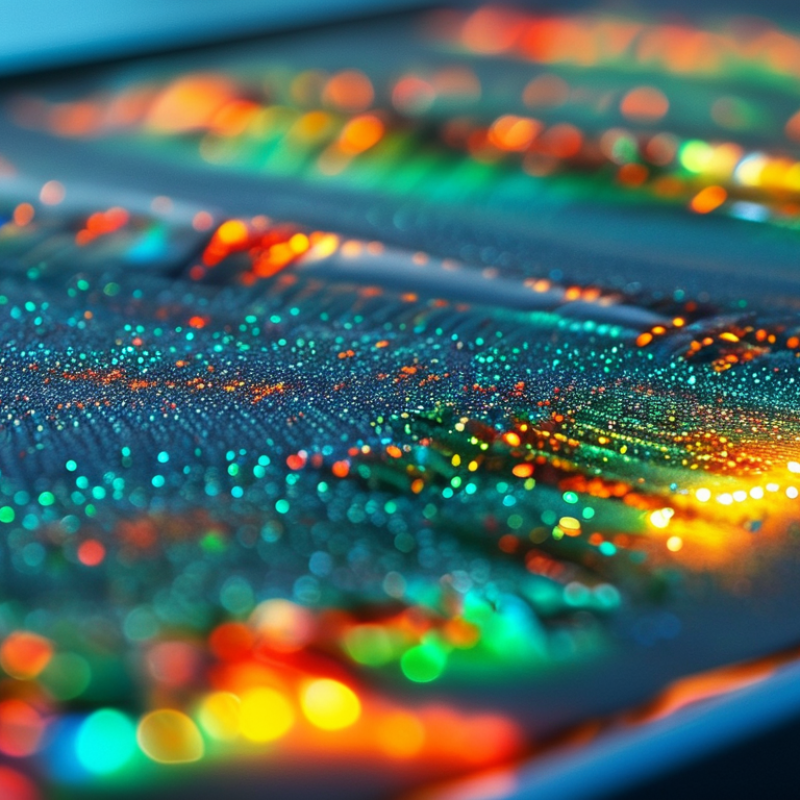
LED technology relies on semiconductors to produce light. When an LED heats up, its color may change due to a phenomenon called thermal drift. This occurs when the chip’s temperature affects the electron movement within the semiconductor material. For instance, blue or white LEDs might appear cooler in color when cold, but shift to warmer hues as they heat up. This change can be influenced by the ambient temperature as well.
Working with LEDs requires understanding thermal properties. High temperatures can shorten the lifespan of an LED. Proper heat management is crucial. Light fixtures should allow for adequate airflow. Insufficient ventilation can lead to unexpected color changes and reduced efficiency.
Tips: Ensure your LED bulbs have adequate heat sinks. Consider using LED fixtures designed for specific environments. Keeping them cool can maintain their color accuracy. Regular maintenance checks can also help identify any potential overheating issues early on. Always monitor how your LEDs perform under varying conditions for better longevity.
When LEDs heat up, their color can shift noticeably. This phenomenon often surprises users who expect consistent performance. The effect is mainly due to temperature and its impact on the semiconductor materials inside the LED. These materials react to heat by changing their energy levels, which can result in altered wavelengths of emitted light.
Temperature fluctuations can influence the luminous efficiency of LEDs. Higher temperatures typically reduce light output. This happens because the increase in heat leads to more energy loss in the form of heat rather than light. As a result, the perceived color might shift from a bright white to a warmer yellowish hue. Imagine turning on a bright LED bulb in a closed space. Over time, as it heats up, the light may gradually change in color.
Controlling temperature is crucial for maintaining LED performance. Some lights come with heat sinks to dissipate heat effectively. However, not all designs feature efficient heat management. Users should reflect on their LED applications. Knowing how heat impacts LEDs can lead to better choices for lighting environments. This understanding enhances reliability and performance, ensuring a consistent lighting experience.
LEDs, or light-emitting diodes, are known for their energy efficiency and durability. However, they can change color when exposed to heat. This phenomenon arises from the physics of semiconductor materials used in LED technology. As the temperature increases, the energy bandgap of the semiconductor materials decreases. This shift can lead to a change in the emitted light color, shifting from blue to green or even red.
Research indicates that excessive heat can impact the color rendering of LEDs. A report from the National Renewable Energy Laboratory (NREL) suggests that high temperatures can reduce an LED's luminous efficacy. This efficiency loss can result in a noticeable change in perceived color. For example, a typical white LED might display a warmer hue. Additionally, color shifts can affect applications where color accuracy is crucial, such as in lighting for museums or galleries.
The relationship between heat and color stability is complex. While higher temperatures can enhance brightness, they compromise color fidelity. Studies show that LEDs run optimally at specific temperatures, often around 25 degrees Celsius. Beyond this range, users might observe unexpected hues. Understanding these dynamics is vital for designers and users who rely on consistent LED performance.
| LED Type | Initial Color | Color at High Temperature | Temperature Range (°C) | Color Change Description |
|---|---|---|---|---|
| Standard White LED | White | Warm Yellow | 25 - 80 | Color shifts to a softer, warmer tone as temperature rises. |
| Blue LED | Bright Blue | Lighter Blue | 25 - 90 | The blue hue becomes less intense and more pastel at higher temperatures. |
| Red LED | Red | Dark Red | 25 - 85 | Red LEDs can appear darker and less vibrant as they heat up. |
| Green LED | Green | Yellowish Green | 25 - 80 | The green changes to a yellowish hue when the temperature increases. |
LEDs, particularly those using different materials, exhibit distinct thermal reactions. Traditional inorganic LEDs, typically made from gallium nitride (GaN), display a shift in color when the temperature rises. This phenomenon occurs due to changes in the band gap energy, which alters the emitted wavelength. A significant shift can range up to 20 nanometers, leading to color variations from cool white to warm white as the LEDs heat up.
On the other hand, organic LEDs (OLEDs) behave differently. They tend to maintain color consistency under various temperatures, though efficiency can decrease. According to a report by the Department of Energy, they achieve about 80% efficiency at room temperature but drop to 70% at elevated temperatures. The phosphorescent materials used in OLEDs help stabilize color outputs, but the efficiency loss raises concerns in applications where heat is common.
Thermal management is crucial for both types of LEDs. Effective heat sinks can mitigate temperature rise and maintain color accuracy. However, even with advanced thermal designs, some LEDs may still face challenges. This often leads to a need for regular monitoring and maintenance, which adds complexity to LED systems in high-heat environments.
Color changing LEDs have practical implications in many industries. These lights can adjust their hue based on temperature. This feature is especially useful in settings where lighting quality is crucial. For example, in art galleries, the right light temperature helps display colors accurately. This leads to a better viewing experience for visitors. Furthermore, in home settings, color changing LEDs can create different moods. A warm light can foster relaxation, while cool light enhances focus.
However, there are challenges with this technology. Not all color changing LEDs perform consistently. Some might shift colors unpredictably as they heat up. This inconsistency can be frustrating for users. It raises questions about reliability in commercial applications. Color changing LEDs require careful consideration in critical environments, such as hospitals. Here, lighting must remain stable and predictable.
In the tech industry, color changing capabilities can be a double-edged sword. On one hand, they offer versatility and creativity. On the other hand, they may detract from functionality. Users need reliable performance above all. Manufacturers must focus on improving temperature stability while preserving color accuracy. Balancing these factors is essential to harnessing the full potential of color changing LEDs.
This chart illustrates the relationship between temperature and the color temperature of LEDs. As the temperature of an LED increases, its emitted color shifts from a cooler to a warmer hue, demonstrating the practical implications of thermal effects on LED performance.
: Color changes in LEDs are often due to thermal drift as temperatures rise.
High temperatures can shorten an LED's lifespan significantly. Effective heat management is crucial.
Good ventilation helps maintain color accuracy and efficiency. Poor airflow can lead to unexpected color changes.
Traditional inorganic LEDs change color greatly with heat, while OLEDs maintain more stable color but lose efficiency.
Inconsistencies in color performance can frustrate users, especially in critical settings like hospitals.
Regular maintenance checks and proper heat sinks can help identify and prevent overheating issues.
These LEDs enhance color accuracy, improving the viewing experience for visitors.
Yes, warm lights can foster relaxation, while cool lights enhance focus and productivity.
They need to balance temperature stability with color accuracy for reliable performance.
It introduces unpredictability, which can detract from functionality and user satisfaction.
The article "Why Do Some LEDs Change Color When They Get Hot?" explores the intricate relationship between LED technology and temperature. It begins by explaining the fundamentals of how LEDs emit light and the principles behind color emission. As the temperature of an LED rises, its performance can be affected, leading to color changes. The science behind this phenomenon is rooted in the materials used in LEDs, which can alter their light spectrum when subjected to heat.
Additionally, the article compares different types of LEDs and their varying thermal reactions, highlighting how some are more prone to color shifts than others. The practical implications of these color-changing properties are significant across various applications, including lighting and electronics, impacting performance and user experience. Understanding why some LEDs change color when they get hot is crucial for optimizing their use in real-world scenarios.

Zever Light