In recent years, LED panels have become a popular lighting choice. They offer energy efficiency and versatility. However, excessive glare is a common issue that can impact both functionality and comfort. Designers need effective strategies. Understanding how to reduce glare in LED panel designs is crucial for enhancing user experience.
Glare in LED systems can lead to visual discomfort and reduce productivity. It often arises from bright light sources and reflective surfaces. This underscores the need for innovative design techniques. Factors such as light distribution, surface finish, and fixture placement play key roles in glare control.
While there are established methods for glare reduction, they may not always be effective in every situation. Continuous experimentation is necessary. Designers should consider user feedback and conduct real-world tests. This ongoing process helps to refine approaches and achieve optimal results. Emphasizing the importance of glare reduction will lead to not only improved lighting solutions but also greater satisfaction for users.
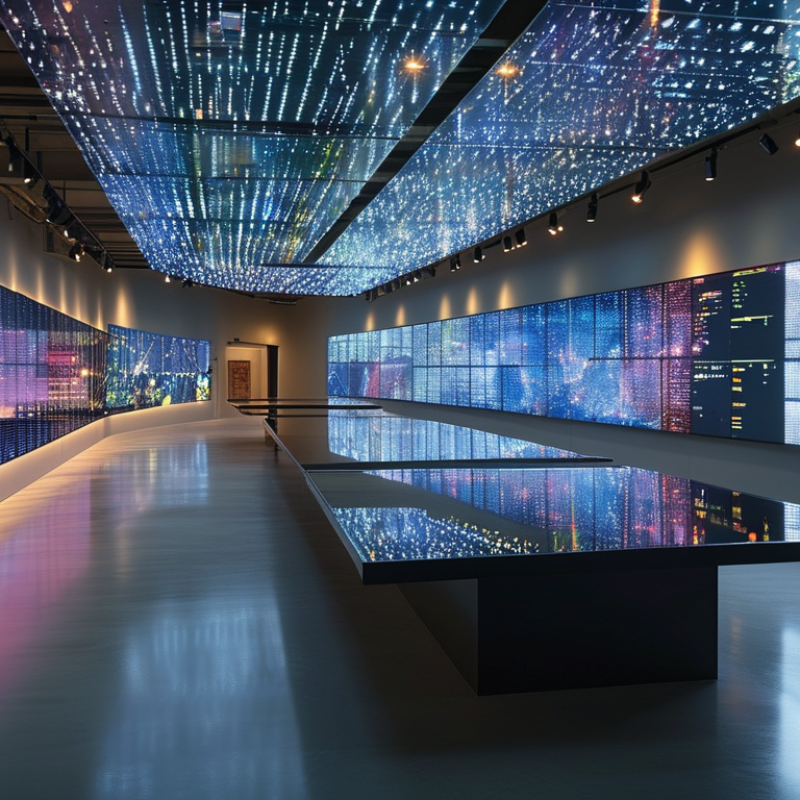
Glare in LED panels can significantly impact visual comfort and performance. It results from excessive brightness or reflections, making screens difficult to view. Understanding glare begins with recognizing two types: direct glare and reflected glare. Direct glare comes from the light source, while reflected glare results from surfaces like glass or shiny displays. Both can disturb users, especially in offices or homes.
To mitigate glare, effective design choices are crucial. Consider using diffusers that scatter light, softening brightness. This helps in creating a more pleasant viewing experience. Anti-glare coatings on screens can reduce reflections, improving usability. Additionally, adjusting the angle of LED panels can minimize direct glare from light sources.
Tips for reducing glare involve assessing the environment. Positioning panels away from windows limits sunlight interference. Using matte finishes instead of glossy surfaces can help in avoiding reflective glare. Regularly cleaning the panel also prevents dirt buildup, which can enhance glare levels. By incorporating these strategies, one can create a more comfortable and productive space around LED panel designs.
Glare in LED panel designs can stem from various sources. One common issue is the surface finish of the panel. Highly reflective surfaces can intensify glare when bright lights are present. A study by the Lighting Research Center highlights that reflections can increase perceived brightness by up to 80%. This raises concerns for user comfort in workspaces and public areas.
Another source of glare is the angle of light emission. When LEDs are positioned at direct angles to the viewer, it can create discomfort. Industry guidelines recommend an optimal emission angle between 60° and 90°. This reduces direct exposure to light sources, minimizing glare perceived by users.
Tips: Consider using diffusers. They can help spread light evenly and soften harsh brightness. Additionally, implementing ambient lighting can reduce the contrast between light sources and the surrounding environment. Testing different materials in prototypes often reveals useful insights. Exploring ways to adjust light intensity and angle can also lead to design refinements. Evaluate your designs with real-world scenarios to identify potential glare sources that may be overlooked initially.
When designing LED panels, minimizing glare is crucial. Studies indicate that excessive glare can lead to discomfort and decreased productivity. An industry report from the Lighting Research Center highlights that up to 80% of users experienced visual discomfort due to glare in poorly designed lighting systems. This finding underscores the importance of effective design strategies in LED applications.
One effective approach involves the use of diffusers. Diffusers can scatter light more evenly, reducing the intensity of direct glare. A report by the Illuminating Engineering Society noted that diffusing materials can lower perceived brightness significantly. Additionally, incorporating adjustable brightness levels can help in personalizing the experience. Users often require different light levels based on tasks or time of day.
Another strategy is to consider the angle of the light source. Placing LEDs at various angles helps distribute light more evenly. The right angle can drastically reduce hot spots, which contribute to glare. Yet, not every angle works for every space. Experimentation is essential, as the wrong setup could lead to inadequate lighting or increased glare. Ultimately, successful glare reduction in LED panels hinges on thoughtful design, user feedback, and continuous testing.
This chart demonstrates the effectiveness of various design strategies to minimize glare in LED panels. The data represents the percentage of effectiveness for each strategy based on recent studies.
Reducing glare in LED panel designs is crucial for enhancing visual comfort. One effective method involves using specific materials and coatings that scatter light more efficiently. For instance, using frosted acrylic or polycarbonate can help diffuse direct light. These materials soften the beam angle, leading to a more comfortable viewing experience.
Coatings also play a significant role. Anti-reflective coatings can minimize reflections on the surface of the panels. These coatings work by reducing the intensity of light bouncing off the surface. This way, the LED panels can emit light evenly without harsh glare. In addition, some coatings are designed to filter out certain wavelengths. This can improve the overall quality of light emitted.
It is important to select materials that are both efficient and practical. While frosted options may reduce glare, they can also impact brightness. A balance must be found between reducing glare and maintaining optimal illumination. Testing different combinations of materials and coatings is essential. Reflective properties can vary based on environmental factors, requiring adjustments over time.
| Material/Coating | Description | Effectiveness in Reducing Glare | Durability | Cost Range (per sq. ft.) |
|---|---|---|---|---|
| Frosted Acrylic | Softens light diffusion for a more even illumination. | High | Good | $2.00 - $4.00 |
| Matte Finish Coating | Reduces reflective glare by absorbing light. | Moderate | Excellent | $3.00 - $5.00 |
| Anti-Glare Film | Specialized film that filters out harsh light. | Very High | Good | $1.50 - $3.00 |
| Diffusing Glass | Transparent glass with surface structures to diffuse light more evenly. | High | Very Good | $4.00 - $6.00 |
| Textured Polycarbonate | Includes surface textures to scatter light and reduce brightness. | Moderate | Excellent | $3.50 - $5.50 |
When evaluating glare reduction solutions in LED designs, several methods can be employed. One effective approach is to test different diffuser materials. Diffusers scatter light, minimizing direct exposure to the source. Using diffusers with varying textures can help identify optimal glare reduction without sacrificing brightness.
Another consideration is the angle of light output. Adjusting the beam angle can significantly mitigate perceived glare. Wider angles often reduce harsh lighting effects. Testing various configurations in real environments is essential. What works in theory might not translate well to practical applications.
User feedback plays a critical role in this testing phase. Observations from individuals experiencing discomfort due to glare can provide valuable insights. Conducting surveys or focus groups can highlight specific issues. The goal is to create comfortable lighting that enhances functionality and aesthetics. Focusing on user experience can lead to more effective designs and better overall satisfaction.
: Glare occurs when brightness or reflections make screens hard to view. It can disrupt comfort and performance.
There are two types: direct glare and reflected glare. Direct glare comes from the light source, reflected glare from surfaces.
Effective design strategies include using diffusers, anti-glare coatings, and adjusting the angle of the panels.
Diffusers scatter light to soften brightness. They help create a more pleasant viewing experience and reduce glare.
Position panels away from windows to limit sunlight interference and reduce direct glare.
Yes, user observations provide insights into discomfort. Surveys can identify specific glare issues to improve designs.
Matte finishes help minimize reflective glare. Glossy surfaces can worsen glare and should be avoided in certain settings.
Adjustable brightness levels allow users to personalize their experience based on tasks or time of day.
Yes, different designs require experimentation. What looks good in theory may not work in practice.
Regular cleaning prevents dirt buildup and helps maintain optimal visibility and reduce glare levels.
The article "How to Reduce Glare in LED Panel Designs Effectively?" provides an insightful exploration of the phenomenon of glare in LED panels. It begins by understanding the nature of glare, highlighting how factors such as brightness and angle of light can impact visual comfort. The article then identifies common sources of glare within various LED panel designs, emphasizing the importance of recognizing these issues in the early stages of design.
To address these challenges, the piece presents effective design strategies aimed at minimizing glare. This includes the careful selection of materials and coatings that can diffuse light and reduce harsh reflections. Furthermore, the article emphasizes the necessity of rigorous testing and evaluation of glare reduction solutions to ensure they meet user needs. Overall, the insights presented serve as a comprehensive guide on how to reduce glare in LED panel designs, aimed at enhancing user experience and comfort.

Zever Light