Dimming LED light emitting diodes is becoming increasingly popular for energy efficiency and ambiance. However, many consumers remain uncertain about how to dim LED light emitting diodes safely. LED expert Dr. Emily Chen emphasizes, "Understanding the right methods and tools is crucial for safe dimming." Her words highlight the importance of knowledge in this area.
When considering dimming options, it’s essential to know that not all dimmers are compatible with LED technology. Using the wrong dimmer can lead to flickering or even damage to the LEDs. Research indicates that specific dimmers, designed for LEDs, provide smoother and safer operations. This compatibility is vital for users aiming for both safety and quality in lighting.
People often overlook the technical specifications when choosing products. LED lights can have varying dimming capabilities and require specific setups. Not paying attention to these details can lead to unsatisfactory experiences. Therefore, when exploring how to dim LED light emitting diodes safely, thorough research and smart choices make all the difference.
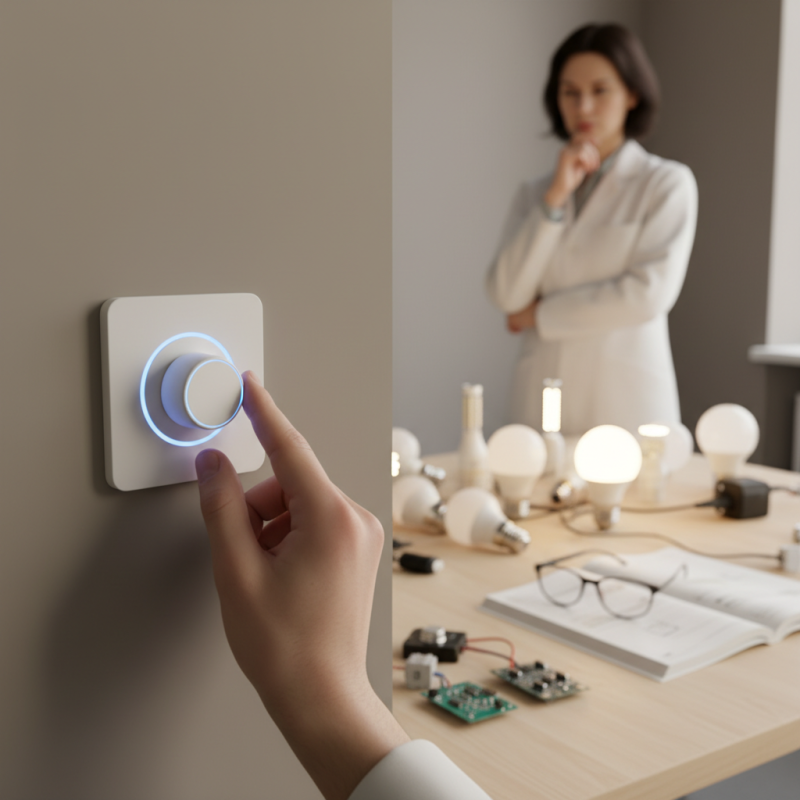
LED dimming has gained popularity for its energy-saving potential and versatility. According to a report by the U.S. Department of Energy, dimmable LED fixtures can save up to 80% more energy compared to incandescent bulbs when properly utilized. Dimming allows users to adjust the brightness of their lighting, which helps in creating the right ambiance for different activities. This adaptability is essential in both residential and commercial settings.
One key benefit of LED dimming is extended lifespan. Fewer hours of full brightness reduce wear on the components. A study from the National Renewable Energy Laboratory highlights that dimming can increase LED longevity significantly, sometimes doubling their usable life. However, it’s essential to use compatible dimmers to avoid issues like flickering or reduced performance.
While dimming LEDs can enhance energy efficiency, it requires careful consideration. Not all LED bulbs dim the same way. Some may not reach lower brightness levels without losing quality. Testing various combinations of bulbs and dimmers remains crucial. It’s vital to prioritize safety and compatibility when setting up your dimming system to ensure optimal performance and reliability.
| Dimming Method | Compatibility with LED | Benefits | Potential Issues |
|---|---|---|---|
| Traditional Dimmer Switches | Not always compatible; can cause flickering | Easy installation, low cost | May damage LEDs, inconsistent dimming |
| LED-Compatible Dimmers | Designed specifically for LED lights | Smooth dimming, reduced flicker | Higher initial cost than traditional dimmers |
| Smart Dimmers | Highly compatible with most LED fixtures | Remote control, scheduling, energy saving | Complex installation, may require a hub |
| PWM Dimming | Excellent for LED strip lights | Very fine control over brightness | Requires additional equipment, complex setup |
: LED dimming saves energy and creates a pleasant ambiance. It can save up to 80% more energy than incandescent bulbs.
Dimming can extend LED lifespan by reducing wear. It may double the usable life if compatible dimmers are used.
Flickering often occurs due to incompatible dimmers. It’s essential to choose LED-specific dimmers for better performance.
Uneven brightness may arise when bulbs of different types are used together. Ensuring uniform wattage helps achieve consistent light output.
Buzzing may be reduced by using high-quality dimmers. However, testing may be needed to find the right solution for each setup.
Verify the compatibility of dimmers with LED bulbs. Incorrect combinations can lead to reduced performance and other issues.
Yes, regular testing can ensure they perform well. If issues arise, reconsider your dimming setup to enhance reliability.
Using outdated dimmers designed for incandescent bulbs can lead to inefficiencies. It’s best to use modern, compatible options for optimal results.
A frequent error is ignoring load compatibility, which heightens the risk of dimming issues. Always check specifications before installation.
Gradual dimming adjustments are advisable. Sudden changes can strain bulbs and potentially shorten their lifespan.
This article, "How to Safely Dim LED Light Emitting Diodes for Your Needs," provides a comprehensive overview of essential considerations for dimming LED lights effectively. It begins with an understanding of LED dimming, highlighting its benefits, such as energy efficiency and extended bulb life. The article then explores different types of dimmers that are compatible with LED lighting, ensuring readers are informed about their options.
A step-by-step guide is presented to demonstrate how to dim LED light emitting diodes safely, addressing common issues that may arise during the process, such as flickering and buzzing noises, along with practical solutions. Lastly, it outlines best practices for maintaining LED performance while dimming, ensuring optimal functionality. Overall, this guide serves as a valuable resource for anyone looking to operate their LED lights efficiently and safely.

 Zever Light