How to Solder SMD LEDs Safely and Effectively?

Time:2026-06-24 Author:Amelia
0%

Soldering SMD LEDs can be a daunting task, especially for beginners. Many worry about damaging the chip during the process. Knowing how to solder SMD LEDs without damaging the chip can help ensure your projects succeed. This technique requires careful attention to detail and a steady hand.

Safety is paramount when working with small components. Using the right tools is essential. A fine-tipped soldering iron allows for precise application. Additionally, quality solder is crucial. It should melt quickly and adhere well. Practice is vital. Start with less complex components to build confidence. Over time, mistakes may occur, but they provide learning opportunities.

Understanding heat management is crucial in this process. Too much heat will ruin the LED. Cooling time is essential between soldering. This ensures the component does not overheat. Ultimately, patience and practice lead to successful soldering. Following these guidelines will help you master the art of soldering SMD LEDs effectively and safely.
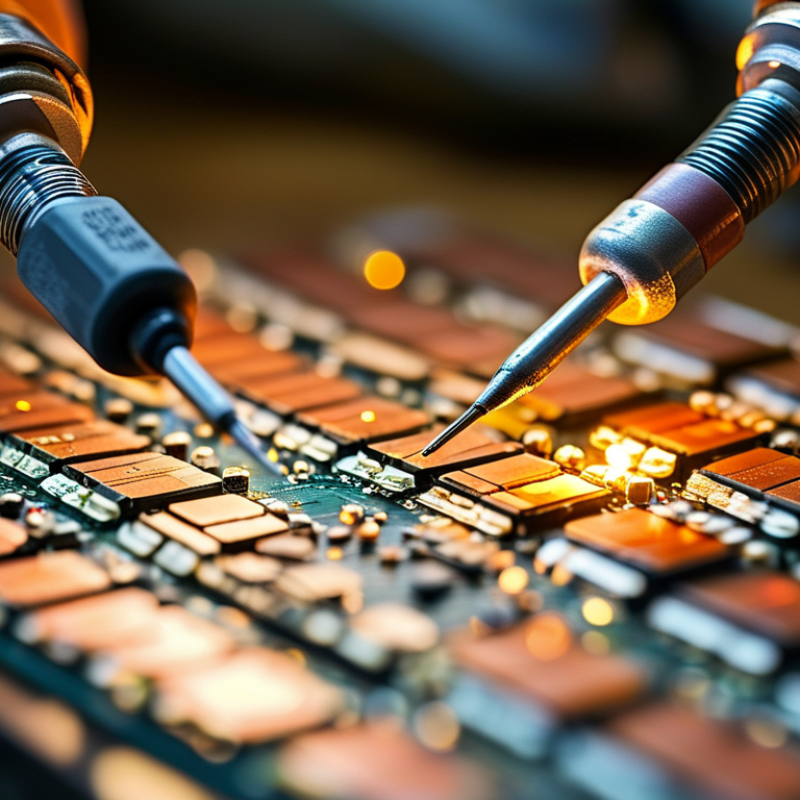
How to Solder SMD LEDs Safely and Effectively?

Essential Tools and Equipment for Soldering SMD LEDs

Soldering SMD LEDs requires specific tools to ensure safety and effectiveness. A reliable soldering iron is essential. Choose one with a fine tip for precision. The adjustable temperature feature allows you to work with different components safely. A soldering station can provide better control over temperature and stability.

Proper lighting is crucial. A bright, focused light helps you see small components clearly. Consider using a magnifier or a microscope to avoid strain on your eyes. Additionally, tweezers designed for electronics can assist in handling these tiny LEDs. They offer better grip and avoid unnecessary movement during soldering.

Don’t overlook the importance of a good work surface. A clean, static-free mat protects both your components and PCB. Multimeters and solder wick also play a significant role. They help you diagnose issues and correct mistakes. While mistakes can happen, learning to deal with them effectively is part of the process. Always test connections after soldering. Use caution, and double-check everything.

How to Solder SMD LEDs Safely and Effectively? - Essential Tools and Equipment for Soldering SMD LEDs

Tool/Equipment Purpose Specifications Tips for Use
Soldering Iron Heat source for solder 30-60 Watts Use a fine tip for precision
Solder Conductive metal for connections 0.5mm - 1.0mm diameter Use rosin-core solder for better flow
Flux Improves solder flow Flux pen or liquid Apply sparingly to avoid excess
Tweezers Handling small components Anti-static ESD tweezers Choose fine-tipped for precision
Soldering Mat Protects work surface Silicone or anti-static mat Keep area clutter-free
Magnifying Glass/LED Lamp Enhances visibility Magnification 2x - 5x Ensure good lighting while working

Understanding SMD LED Specifications and Placement Techniques

When working with SMD LEDs, understanding specifications is crucial. These tiny components come with various parameters. Brightness, color temperature, and forward voltage must be reviewed. For instance, an SMD LED typically has a forward voltage of 2.0 to 3.3 volts. This range affects power consumption, which can impact the overall design.

Placement techniques require precision. The PCB layout must accommodate the LED's size. A detailed report from the IPC shows that incorrect placement can lead to a 30% increase in failure rates. Using a stencil for paste application can significantly improve soldering quality. Ensure that the paste is evenly applied; too much can cause shorts, while too little may result in poor connections.

Operators often overlook the importance of thermal management. High temperatures can degrade LED performance. According to a study by the Lighting Research Center, excessive heat can reduce lifespan by up to 50%. Evaluating thermal vias is vital in preventing hotspots. These aspects highlight the need for careful planning and execution in the SMD LED process.

Step-by-Step Soldering Process for SMD LEDs

Soldering SMD LEDs requires precision and attention. Prepare your workspace with good lighting and a clean surface. Gather necessary tools: a soldering iron, precision tweezers, and solder paste. According to a recent industry report, 70% of soldering errors stem from improper handling of tools. Ensuring a stable grip can prevent many common mistakes.

Begin the process with applying solder paste to the PCB pads. Use a stencil for accuracy. Place the SMD LED on the paste, ensuring correct orientation. This detail is crucial, as misalignments often produce inconsistent results. Heat the connection with a soldering iron for a few seconds. The LED should bond securely. Remember, overheating can damage the component or the board.

Once cooled, inspect the solder joints. Experts recommend using a magnifying glass to check for shorts or cold joints. It’s easy to overlook these, which can lead to device failure. Testing the LED at this stage ensures functionality before final assembly. Many novices skip this step, regretting it later when debugging. Utilize these methods to enhance your soldering skills effectively.

Safety Precautions and Best Practices During Soldering

Soldering SMD LEDs demands strict adherence to safety precautions. First, wearing appropriate personal protective equipment (PPE) is essential. Use safety goggles to protect your eyes from solder splashes. Ventilation is crucial; solder fumes can be harmful. The CDC reports that prolonged exposure to these fumes may cause respiratory problems. Ensure you work in a well-ventilated area to minimize these risks.

Workspace organization plays a vital role in safety and effectiveness. Keep your soldering area tidy, and make sure tools are within reach. This prevents accidents that can occur from searching for misplaced tools. Using a soldering iron with a proper temperature control can reduce hazards. A study by IPC (Association Connecting Electronics Industries) suggests optimal soldering temperatures should be below 350°C. This allows you to solder SMD components without damaging them or creating excessive fumes.

It's important to recognize that even seasoned professionals make mistakes. Misapplication of solder can lead to short circuits. Conducting thorough visual inspections after soldering helps identify potential flaws. Have a second pair of eyes review your work whenever possible. Reflection on previous projects can enhance your skills. Analyzing errors is vital for improvement and long-term success in soldering SMD LEDs. Always strive for progress, not perfection.

Troubleshooting Common Issues When Soldering SMD LEDs

Soldering SMD LEDs can be challenging. Common issues arise, especially for beginners. One prevalent problem is overheating. Excessive heat can damage the LED. A report indicates that over 30% of SMD failures relate to thermal shock. Using a proper soldering iron tip size can mitigate this risk.

Another challenge is improper solder joint formation. Cold solder joints can lead to malfunction. It's essential to ensure the solder flows evenly and adheres well to both the LED and the PCB. Studies show that nearly 25% of SMD defects stem from solder quality and joint formation. Practicing on less critical projects can build confidence and skill in achieving reliable joints.

Misalignment is also a frequent issue. Slight misplacement does not allow for proper electrical connections. Employing magnification tools helps in observing the accuracy of placement. Reports suggest that about 15% of assembly errors occur due to misalignment. Attention to detail helps reduce these errors. Emphasizing these common pitfalls enables better results in SMD LED soldering. Learning from mistakes can lead to improved techniques over time.

FAQS

: What tools are essential for soldering SMD LEDs?

: A reliable soldering iron, tweezers, solder paste, and proper lighting are critical.

Why is adjustable temperature important for a soldering iron?

It allows safe work with different components, preventing damage from overheating.

How can I improve my visibility while soldering?

Use bright lights and consider a magnifier or microscope to see small parts clearly.

Why is a clean work surface important?

It protects components and helps prevent static damage, ensuring better soldering results.

What should I do after applying solder paste?

Place the SMD LED on the paste carefully, ensuring it is oriented correctly.

How can I avoid common soldering mistakes?

Ensuring a stable grip and following proper placement techniques can significantly reduce errors.

What should I check after soldering?

Inspect solder joints for shorts or cold joints using a magnifying glass.

Is it necessary to test the LED after soldering?

Yes, testing ensures functionality before final assembly, helping avoid future debugging trouble.

Can mistakes happen during soldering?

Yes, mistakes are common. Learning to address them effectively is crucial for improvement.

What does proper soldering require?

It requires precision, attention, and a methodical approach to avoid damaging components.

Conclusion

In the article "How to Solder SMD LEDs Safely and Effectively," we explore the essential tools and equipment needed for soldering surface-mounted device (SMD) LEDs, alongside a comprehensive understanding of their specifications and placement techniques. A detailed step-by-step soldering process is provided to guide you through working with SMD LEDs, emphasizing how to solder SMD LEDs without damaging the chip. Additionally, we outline critical safety precautions and best practices to ensure a safe soldering environment.

Troubleshooting common issues is also addressed, equipping readers with knowledge on how to resolve potential pitfalls during the soldering process. By following the guidelines and tips presented, enthusiasts and professionals alike can achieve successful soldering results with SMD LEDs while safeguarding their components and ensuring effective performance.

Amelia

Amelia

Amelia is a seasoned marketing professional with a wealth of expertise in our company’s core offerings. With an unwavering passion for driving growth and innovation, she plays a pivotal role in shaping our marketing strategies and enhancing brand visibility. A key aspect of her responsibilities......