Top 10 Causes of LED Chip Failures You Need to Know?

Time:2026-05-05 Author:Madeline
0%

Understanding LED chip failures is essential for manufacturers and users alike. According to Dr. Emily Zhang, a leading expert in semiconductor technology, "Identifying what you can control is crucial in reducing LED chip failures." So, what are the common causes of LED chip failure?

Many factors contribute to the premature failure of LED chips. Thermal issues, such as overheating, can cause significant damage. Improper handling during installation can also lead to micro-cracks, affecting performance. Notably, poor quality materials can play a role, leading to inconsistency in light output.

Moreover, electrical overstress is another significant cause. High voltage spikes or incorrect driver setups can harm the chip's integrity. Understanding these factors is critical for improving LED lifespan and ensuring optimal performance. Taking control of these variables can help mitigate common pitfalls in LED technology.
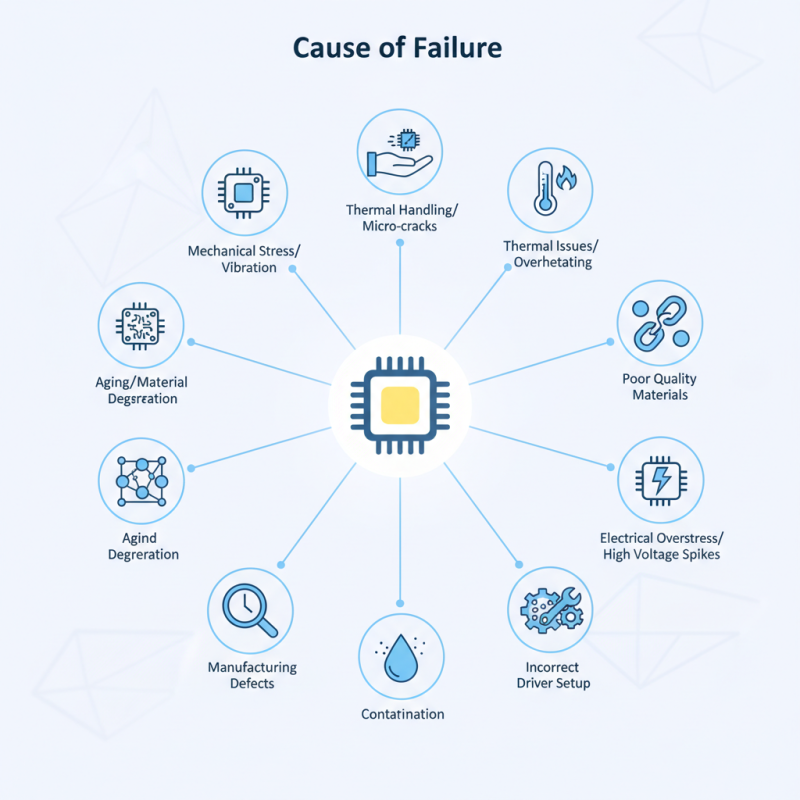
Top 10 Causes of LED Chip Failures You Need to Know?

Common Manufacturing Defects Leading to LED Chip Failures

Manufacturing defects are pivotal in the failure of LED chips. A report by the OLED Association indicates that about 30% of LED chip failures stem from production issues. One significant defect is improper solder joint formation. This improper bonding can lead to electrical failures, reducing the lifespan of the chip.

Another major concern is the quality of raw materials used in production. If low-grade semiconductor materials are used, the resulting LED chips may have substandard performance. Research from TechInsights reveals that over 25% of failures can be traced back to poor material choices. Additionally, inadequate thermal management during the assembly process can cause chips to overheat, leading to early failure.

Visual inspection processes are often overlooked. Many manufacturers rely heavily on automated systems, which may miss subtle defects. In fact, a study by the International Electrotechnical Commission found that manual inspections often catch up to 15% more defects than automated ones. This discrepancy highlights the need for a more robust quality control system. Without addressing these manufacturing flaws, the industry risks severe reliability issues.

Impact of Thermal Management Issues on LED Performance

Thermal management significantly influences LED performance. When LEDs operate at high temperatures, they face efficiency losses. Overheating can shorten their lifespan. This is particularly crucial for applications requiring precise light output and reliability.

Insufficient heat dissipation methods can lead to chip failures. Many designs neglect proper heat sinks or airflow. This oversight often results in junction temperatures exceeding safe limits. The consequences can be dramatic: flickering light, color shifts, or total failure. Heat management is not just about adding cooling components; it demands a comprehensive design approach.

Even the most advanced LED chips can fail without effective thermal control. Regular testing and thermal simulations can prevent future issues. It's essential for manufacturers to prioritize thermal strategies during development. Understanding this aspect can lead to more robust and longer-lasting products.

Electrical Stress and Its Role in LED Chip Malfunctions

Electrical stress is a significant factor behind LED chip failures. These chips operate under high voltage and current, leading to overheating. Excessive electrical stress can cause premature degradation, reducing overall product lifespan and efficiency. A recent industry report indicates that electrical overstress accounts for nearly 30% of LED failures. This data emphasizes the importance of proper circuit design.

To mitigate these risks, consider the following tips. First, ensure that the driving current values match the specifications of the LED. Incorrect settings can lead to thermal runaway, damaging the chip. Second, implement adequate thermal management to dissipate heat effectively. Poor heat dissipation contributes to failure rates as high as 25%. Regular maintenance checks can help identify potential overheating problems early.

Furthermore, be aware that environmental factors can exacerbate electrical issues. Humidity and dust can create conductive paths, further stressing the LED chip. Keeping the LED fixtures clean and dry is crucial. Remember, preventive measures are vital. Identifying and addressing electrical stress can prolong the life of LED systems significantly.

Aging and Environmental Factors Affecting LED Longevity

Aging plays a significant role in LED chip failures. Over time, LED chips undergo gradual degradation. This can lead to reduced brightness and color shifting. Factors like thermal stress and prolonged use amplify this process. Eventually, these elements weaken the overall integrity of the chip.

Environmental conditions matter too. High temperatures can accelerate aging. Humidity and exposure to contaminants are also critical. LEDs in outdoor settings face harsher conditions, leading to a shorter lifespan. Dust and moisture can infiltrate the casing. This results in corrosion or electrical failures. Each of these factors can compromise the performance of an LED chip.

Reflecting on these issues is essential. Understanding the aging process and environmental stressors can help consumers make better choices. How often are LEDs inspected for signs of wear? Regular maintenance could prolong their functionality. We must be aware of our environment's impact on these electronic components.

Top 10 Causes of LED Chip Failures

Inadequate Packaging Solutions Contributing to LED Chip Failures

Inadequate packaging solutions significantly affect LED chip reliability. Poor packaging can lead to moisture ingress, thermal issues, and mechanical stress. Each of these factors contributes to early failures, reducing overall performance and lifespan.

Inadequate sealing techniques are a common problem. Many manufacturers overlook the importance of a robust barrier against environmental elements. This can result in a loss of chip performance. Additionally, the choice of materials plays a crucial role. Low-quality substances can degrade over time, leading to chip failures that are difficult to predict.

Improper thermal management is another critical issue. Without effective heat dissipation, LEDs may operate at high temperatures. This can cause a malfunction or complete failure. It is essential to reflect on current practices in LED packaging. Continuing to use subpar materials and methods can hinder technological advancements and affect user satisfaction.

FAQS

: How does aging affect LED chips?

: Aging leads to gradual degradation of LED chips, reducing brightness and causing color shifts over time.

What environmental factors accelerate LED aging?

High temperatures, humidity, and exposure to contaminants accelerate the aging of LED chips.

Why do LEDs in outdoor settings have shorter lifespans?

Outdoor LEDs face harsher conditions that can lead to dust, moisture infiltration, and corrosion.

How does inadequate packaging contribute to LED failures?

Poor packaging allows moisture ingress and thermal issues, resulting in early failures and reduced performance.

What are common problems with sealing techniques in LED packaging?

Many manufacturers neglect strong barriers, causing loss of chip performance due to environmental exposure.

Why is thermal management important for LED chips?

Effective heat dissipation prevents high temperatures that can lead to malfunctions or complete failures.

How often should LEDs be inspected?

Regular inspections for wear can prolong functionality and improve overall performance in various environments.

What materials are important for LED packaging?

High-quality materials are crucial; low-quality substances can degrade, leading to unpredictable chip failures.

What impact does moisture have on LEDs?

Moisture infiltration can cause electrical failures and corrosion, compromising the functionality of LED chips.

Should consumers reflect on packaging practices?

Yes, understanding packaging quality can help consumers make informed decisions and enhance satisfaction with their LEDs.

Conclusion

LED chips are integral to modern lighting solutions, yet they are prone to various failures. Understanding "what are the common causes of LED chip failure" is crucial for manufacturers and users alike. Common manufacturing defects, such as impurities during the production process, can significantly impact the performance of LED chips. Moreover, poor thermal management can lead to overheating, reducing longevity and efficiency. Electrical stress is another factor that can cause malfunctions, often stemming from improper voltage application.

Additionally, aging and environmental factors, like humidity and temperature fluctuations, can affect LED durability over time. Finally, inadequate packaging solutions can expose LED chips to external stressors, further compromising their integrity. By addressing these issues, stakeholders can enhance the reliability and lifespan of LED technologies.

Madeline

Madeline

Madeline is a dedicated marketing professional with a wealth of expertise in our company's core offerings. With a keen understanding of the industry, she brings a unique perspective to her role, consistently delivering high-quality content that highlights the superior aspects of our products. As......