Achieving uniform light distribution with LEDs is a challenge faced by many in the lighting industry. According to Dr. Emily Chen, a renowned lighting design expert, "Proper engineering of LED placement and optic design is crucial for effective light distribution." This emphasizes the importance of innovative techniques in maximizing light efficiency.
When considering how to achieve uniform light distribution with LEDs, professionals must focus on fixture design and layout. Adjusting LED positioning can enhance light spread. Moreover, the right choice of optics can help in achieving brightness and consistency across a surface. Designers often overlook these aspects. Neglecting them can lead to uneven lighting that may affect both aesthetics and functionality.
Understanding light performance is as vital as technical knowledge. Experimentation and adjustment play key roles in refining designs. Issues might arise even in simple setups. Therefore, continuous learning from past projects is essential for improvement. Each installation offers unique challenges and opportunities for growth in achieving optimal light distribution.
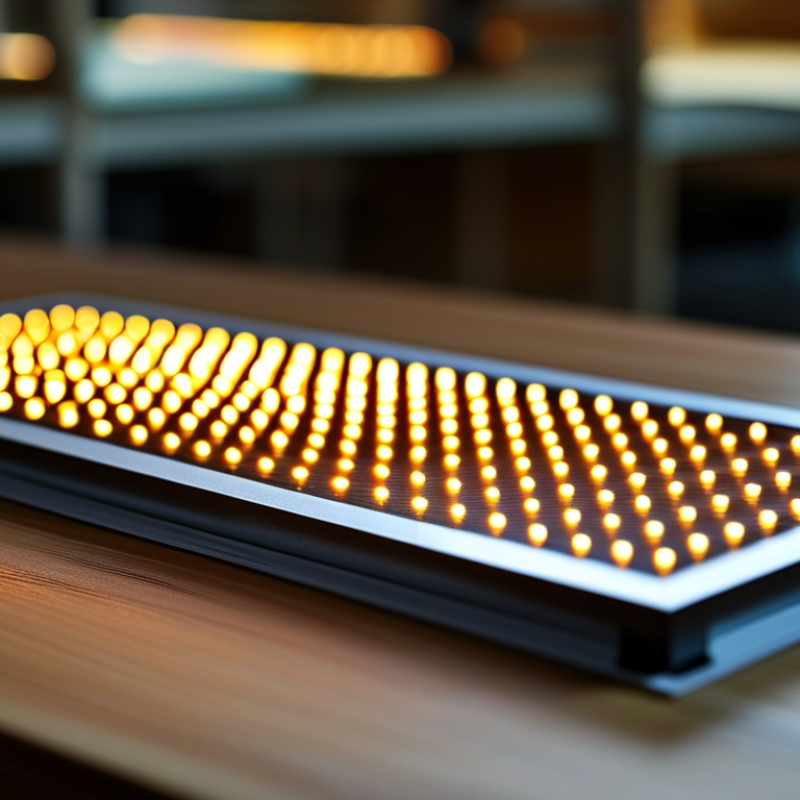
Uniform light distribution in LED lighting is crucial for various applications. Research shows that around 50% of users prefer evenly lit spaces over harshly lit areas. Poor uniformity can lead to discomfort and eye strain, affecting productivity. A report by the Lighting Research Center identifies that uneven light can reduce focus by up to 20%. This highlights the significance of designing LED systems with a focus on uniform distribution.
Creating uniform light involves careful selection of optics and diffuser materials. Using specific lens designs can help achieve a broader light spread from the LED source. It is essential to consider the mounting height and angle of the fixtures. If the LEDs are too high, light may not reach the intended area evenly. Industry findings indicate that a spread angle of 120 degrees typically works best for achieving uniformity in most settings.
However, simply aiming for uniformity sometimes leads to oversaturation in certain areas. This requires continual adjustment and re-evaluation of lighting layouts. Additionally, testing in real environments is crucial, yet often overlooked during design phases. With careful analysis and ongoing optimization, designers can improve the user experience significantly.
Achieving even light distribution with LEDs often poses significant challenges. One common issue is the inherent directional nature of LED emitters. Unlike traditional lighting sources, LEDs emit light in a concentrated beam. This quality can create hot spots and dark corners in spaces. According to an industry report by the Lighting Research Center, improper placement of LEDs can result in 30% of areas receiving inadequate lighting.
Another challenge involves the choice of optics. The lens design significantly affects light distribution. Poorly designed optics can lead to uneven lighting patterns. This issue emphasizes the importance of selecting appropriate beam angles and diffuser types. A survey conducted by the International Commission on Illumination found that 40% of lighting designers cite optical challenges as their primary concern when working with LEDs.
However, even with the right optics, achieving uniformity isn’t guaranteed. Variability in LED manufacturing can lead to inconsistencies in color temperature and brightness. These discrepancies can affect overall light quality. By implementing thorough testing and quality control measures, as highlighted by the Illuminating Engineering Society, professionals can mitigate these risks and improve reliability in LED installations.
Achieving uniform light distribution with LEDs is essential in various applications, from retail spaces to industrial settings. According to the latest report by the Lighting Research Center, optimal light distribution can improve visual comfort and enhance the overall ambiance. Proper techniques can help achieve this goal.
In retail environments, using diffusers can effectively spread light across a wide area. These materials soften the harsh light from LEDs, creating an inviting atmosphere. Also, strategic placement of fixtures, such as mounting them at different heights, can prevent harsh shadows. This method enhances product visibility. Consider experimenting with different angles and distances to find the best configuration.
In industrial applications, reflectors play a crucial role. They can direct light to specific areas, ensuring that all workspaces are well-lit. A study showed that well-distributed light can increase productivity by up to 30%. It's important to assess the layout frequently, as changes in equipment or workflow can impact light distribution. Regular adjustments to positioning can yield significant improvements in safety and efficiency.
Remember, achieving uniform light distribution is an ongoing process. It requires constant evaluation and adaptation to maintain optimal performance. Don't overlook this vital aspect; small changes can lead to significant enhancements.
| Application | LED Type | Driver Type | Lens/Optics | Tips for Uniform Distribution |
|---|---|---|---|---|
| Street Lighting | High Power LEDs | Constant Current Driver | Asymmetrical Lens | Use pole-mounted optics for better spread. |
| Office Lighting | Panel LEDs | Dimmable Driver | Frosted Lens | Adjust mounting height for even distribution. |
| Retail Display | COB LEDs | Voltage Regulator | Wide Beam Angle Lens | Position lights at varying angles for depth. |
| Architectural Lighting | SMD LEDs | Smart Driver | Adjustable Reflector | Utilize layers of light for better aesthetics. |
| Medical Lighting | LED Arrays | Surge Protection Driver | High CRI Lens | Ensure color uniformity across the spectrum. |
Selecting the right LED fixtures is crucial for achieving optimal light distribution. According to the U.S. Department of Energy, about 30% of commercial lighting energy is wasted due to poor fixture choices. An ideal LED fixture should not only provide adequate brightness but also ensure uniformity across the space. This means considering factors such as beam angle, light output, and mounting height.
When choosing fixtures, analyze the area’s layout. A narrow beam angle may benefit focused tasks, while wider angles are better for general lighting. The Illuminating Engineering Society recommends a uniformity ratio of 3:1 or better. This ensures light levels remain consistent, which reduces eye strain and enhances comfort.
However, even the best fixtures might not solve all issues. Reflective surfaces and room color can skew perceived light distribution. Testing various placements before finalizing can help in pinpointing flaws. Adjustments based on real-world application can lead to significant improvements. Many professionals emphasize the importance of on-site evaluations to maximize performance.
Uniform light distribution is crucial in LED applications, yet many face challenges achieving it. Innovative accessories can greatly enhance light uniformity. For instance, using diffusers can effectively spread light. According to a report by the Lighting Research Center, properly designed diffusers increase uniformity by up to 30%. This significant improvement can reduce harsh shadows and enhance the visual appeal of spaces.
Reflectors also play a pivotal role in achieving uniform illumination. They redirect light to cover a broader area, minimizing hotspots. The right reflector design can increase effective lumens by 25%, according to the Illuminating Engineering Society. Yet, selecting the right material and angle can be complicated. A poor choice might lead to undesired light patterns, proving that not all designs yield equal results.
Additionally, advanced control systems offer significant benefits. Dimming and color tuning improve the perception of uniformity in lighting setups. However, integrating these technologies requires expertise. Effective use may require troubleshooting and adjustments. Understanding how each component interacts is essential for optimal performance. This complexity may deter some, but exploring these tools could lead to better outcomes in light uniformity.
: One main challenge is the directional nature of LED emitters. This often results in hot spots and dark corners.
Improper placement can lead to 30% of areas receiving inadequate lighting, according to an industry report.
The lens design greatly affects light distribution. Poor optics can cause uneven lighting patterns.
About 40% of lighting designers cite optical challenges as their primary concern when using LEDs.
Yes, inconsistencies in color temperature and brightness can occur due to manufacturing variability.
Implementing thorough testing and quality control measures can help mitigate risks and ensure better reliability.
Consider beam angle, light output, mounting height, and the area’s layout for optimal light distribution.
A uniformity ratio of 3:1 or better is recommended to ensure consistent light levels and reduce eye strain.
Yes, these factors can skew the perceived light distribution in a space.
On-site evaluations help identify flaws and allow for adjustments, significantly improving lighting performance.
Achieving uniform light distribution with LEDs is essential for enhancing visibility and minimizing shadows in various applications. This article delves into the significance of uniform light distribution and the common challenges faced when attempting to achieve an even spread of light. It discusses various techniques, such as adjusting fixture placement and using diffusers, to enhance LED light distribution across different environments.
Additionally, selecting the right LED fixtures plays a crucial role in optimizing light uniformity. The article emphasizes the importance of choosing products designed for specific lighting needs and highlights innovative accessories and tools that can further improve LED light distribution. By following these guidelines, users can effectively learn how to achieve uniform light distribution with LEDs, resulting in a more efficient and visually appealing lighting solution.

Zever Light