As we move into 2026, the question, "Why are UV LEDs becoming popular for disinfection?" has emerged prominently. A report by MarketsandMarkets reveals that the UV-C LED market is expected to grow at a CAGR of 29.3% from 2021 to 2026. This exponential growth reflects a shift towards advanced disinfection methods, especially post-pandemic. Experts assert that the efficacy of UV-C in killing pathogens is unparalleled, making it a vital tool in public health.
Dr. Sarah Thompson, a leading expert in photobiology, emphasizes, "UV LEDs provide an effective solution for disinfection where traditional methods fall short." This statement encapsulates the growing reliance on technology to ensure health safety. Furthermore, the compact size and energy efficiency of UV LEDs make them increasingly attractive for various applications, from water treatment to surface sterilization.
However, the journey is not without challenges. There are ongoing discussions about safety standards and efficacy claims within the industry. The need for proper guidance and regulation is essential. As interest in this technology surges, it's crucial to evaluate its impact comprehensively while addressing potential shortcomings.
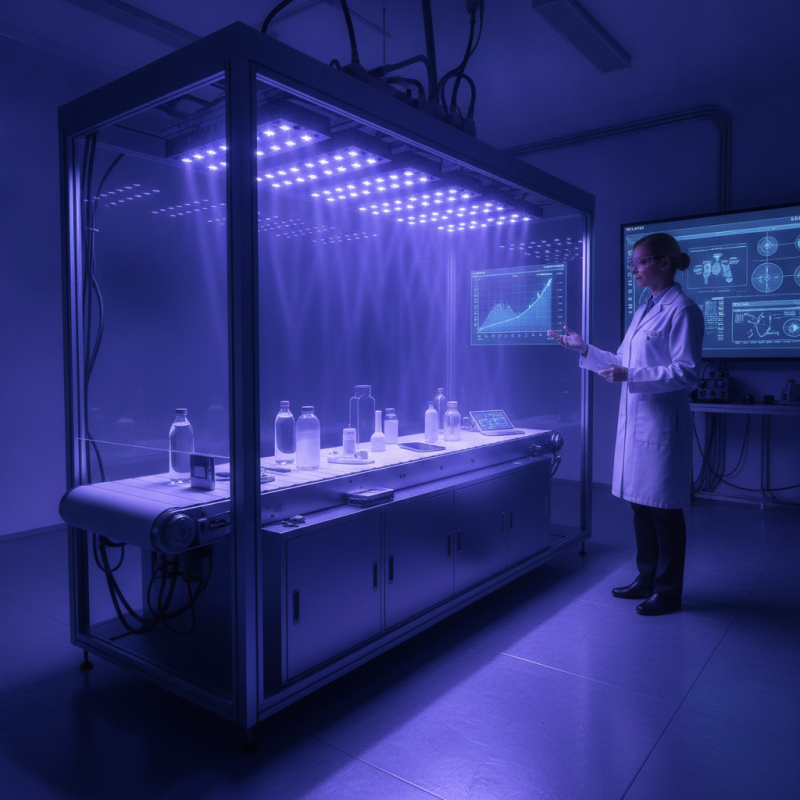
UV LED technology is transforming disinfection processes in 2026. The rise in popularity stems from its ability to effectively kill pathogens without using harmful chemicals. These LEDs emit UV light that damages the DNA of bacteria and viruses. As a result, environments such as hospitals, schools, and public transportation are prioritizing this technology. Many facilities are seeing a significant reduction in illness rates after switching to UV LED systems.
TIPS: While installing UV LEDs, ensure proper placement to maximize exposure. Regular maintenance is crucial for optimal performance. Consider using sensors to monitor effectiveness and ensure consistent disinfection.
The effectiveness of UV LEDs is impressive, but not without challenges. Efficiency can vary based on the surface type and environmental factors. User awareness is also essential; lack of understanding could lead to improper use. Proper training for staff is necessary to prevent misuse and ensure safety during the disinfection process. In some cases, the cost of installation can be a barrier, causing facilities to hesitate.
The popularity of UV LEDs for disinfection in 2026 can be attributed to several clear advantages over traditional methods. UV LEDs emit concentrated wavelengths that target pathogens directly. This focused energy effectively reduces bacteria, viruses, and fungi on various surfaces. Unlike chemicals, UV LEDs minimize the potential for harmful residues. They are safe for food surfaces, making them ideal for many industries, including healthcare and food preparation.
Efficiency is another significant factor. UV LEDs require less time to disinfect compared to conventional disinfectants. Many users find that they achieve results in mere seconds. Additionally, UV LEDs are energy efficient. They have long lifespans and reduce waste, standing in contrast to disposable chemical solutions. However, there are still challenges, such as ensuring even UV exposure in complex spaces.
Moreover, the technology is becoming increasingly accessible. As prices decrease, more facilities are adopting UV LED systems. Some installations, however, may require professional knowledge to maximize effectiveness. Inaccessible areas still pose a risk, reminding us that no method is foolproof. The journey toward perfect disinfection continues as researchers explore further innovations in UV technology.
The UV LED disinfection market is poised for significant growth in 2026. Increasing awareness of hygiene and safety is pushing this trend. Many organizations are adopting UV LEDs for their efficiency and effectiveness. The technology harnesses ultraviolet light to kill pathogens quickly, making it suitable for various sectors, including healthcare and food processing.
Forecasts show a robust demand for UV LED disinfection solutions. Industrial facilities are exploring this technology to enhance safety protocols. Research suggests that UV LEDs can reduce harmful microorganisms on surfaces. This capability addresses widespread concerns about health risks. However, effectiveness can vary based on several factors, including distance from the source and exposure time.
Despite the clear advantages, challenges remain. Some users may struggle with the implementation of the technology. The lifespan and intensity of UV LEDs also require ongoing evaluation. Moreover, there is a need for standardized practices to maximize their benefit. As the market evolves, continued dialogue and research will be essential for overcoming these barriers.
The use of UV LEDs for disinfection is gaining traction in 2026. Scientific studies support their effectiveness against various pathogens, including bacteria and viruses. Researchers have found that UV-C light disrupts the DNA of microorganisms, rendering them unable to reproduce. This mechanism is particularly crucial in healthcare settings, where sterilization is essential.
Field studies demonstrate that UV LEDs can significantly reduce microbial loads on surfaces and in air. For example, hospitals that adopted UV LED technology reported a decrease in infection rates. However, the effectiveness can vary based on distance and exposure time. Not all pathogens respond equally to UV treatment. Some studies highlight the need for optimal dosing to achieve maximum disinfection. This variance is a note of caution for users.
Despite the promising data, challenges remain. The potential for UV exposure to humans must be managed. Protective measures are essential in environments using UV LEDs for disinfection. The balance between efficacy and safety is crucial as more facilities implement these technologies. The ongoing research helps address these concerns and refines disinfection protocols in various settings.
| Disinfection Method | Effectiveness (%) | Application Area | Energy Consumption (W) | Cost (per hour) |
|---|---|---|---|---|
| UV-C LEDs | 99.9% | Healthcare Facilities | 5 | $0.05 |
| Mercury Vapor Lamps | 90% | Water Treatment | 135 | $1.50 |
| UV LED Arrays | 95% | Food Processing | 30 | $0.30 |
| Portable UV Devices | 85% | Home Use | 15 | $0.10 |
The adoption of UV LEDs in healthcare has surged, driven by evolving regulatory standards. In 2026, new guidelines emphasize safety and effectiveness in disinfection technologies. Regulatory bodies now require proof of efficacy against various pathogens, impacting product approval processes. As hospitals prioritize infection control, the demand for reliable disinfection solutions rises.
With the increasing focus on environmental sustainability, UV LEDs emerge as a preferred choice. They consume less energy and produce fewer chemicals compared to traditional disinfectants. However, not all UV LEDs are created equal. Variability in wavelength and intensity can affect outcomes. This underscores the need for practice in vetting products against established safety and quality benchmarks.
Tips: Always consult specific standards applicable to your region. Regularly update staff on new guidelines and disinfection methods. Evaluate your current disinfection protocols to identify areas needing improvement. Understanding these guidelines is crucial for successful implementation and effective health outcomes.
: UV LEDs emit specific wavelengths that target pathogens directly, reducing bacteria and viruses effectively on surfaces.
Many users achieve disinfection results in mere seconds, making them highly efficient compared to conventional disinfectants.
Unlike chemical methods, UV LEDs minimize harmful residues, making them safe for food surfaces.
Ensuring even UV exposure in complex areas can be difficult, reminding us no method is completely foolproof.
Prices are decreasing, making UV LED systems more accessible, though some may need professional installation for effectiveness.
No, challenges remain, including varying effectiveness based on exposure time and distance from the source.
Scientific studies show UV-C light disrupts DNA in microorganisms, which is crucial in healthcare sterilization procedures.
No, some pathogens require optimal dosing for maximum disinfection, reflecting that not all treatments are equally effective.
Protective measures must be taken to manage the potential for UV exposure to humans in disinfection environments.
Continued studies are essential to refine protocols and address safety concerns as more facilities use UV LEDs for disinfection.
In 2026, the question "Why are UV LEDs becoming popular for disinfection?" is answered by examining the significant advancements in UV LED technology that have enhanced disinfection processes across various sectors. The transition from traditional disinfection methods to UV LEDs can be attributed to their superior efficiency, reduced energy consumption, and ability to eliminate a wide range of pathogens, making them a preferred choice in healthcare settings.
The market for UV LED disinfection solutions is expected to see substantial growth, driven by increasing awareness of hygiene and infection control. Scientific studies have consistently demonstrated the efficacy of UV LEDs in inactivating viruses and bacteria. Furthermore, regulatory standards and guidelines are evolving to support and facilitate the widespread adoption of UV LED technology in healthcare, solidifying its position as a leading disinfection solution.

Zever Light