In the realm of outdoor lighting, ensuring reliability is crucial. The demand for outdoor LED components continues to grow, propelled by a projected market value of $4.8 billion by 2025. However, environmental factors, such as moisture and harsh weather, threaten performance. Understanding how to waterproof outdoor LED components is essential for longevity and efficiency.
Waterproofing techniques can significantly enhance durability. Industry reports indicate that over 70% of outdoor LED failures stem from water damage. When LED components are adequately protected, they can operate beyond their expected lifespan. Specialized coatings and seals serve as barriers against moisture, which is vital for any outdoor application.
Considering the nuances of waterproofing is important, yet many professionals still overlook this aspect. Testing standards may not always reflect real-world conditions. Addressing these challenges can improve reliability, but not all solutions may be cost-effective. As technology evolves, finding the balance between cost and performance becomes essential for industry stakeholders. How to waterproof outdoor LED components proves to be not just a technical necessity but an ongoing challenge for manufacturers and installers alike.
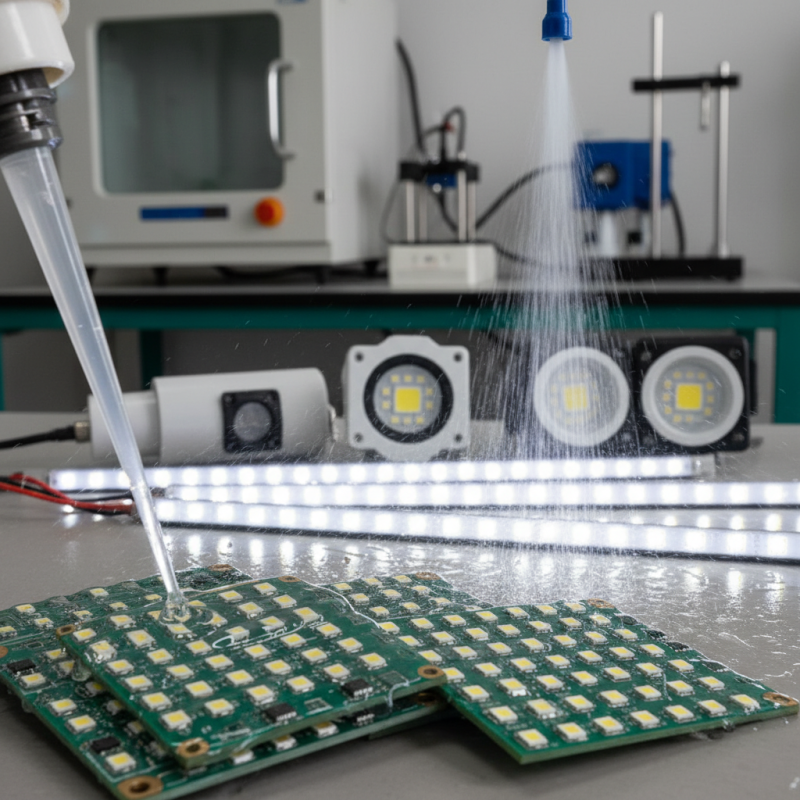
Waterproofing is vital for LED components used outdoors.
Rain, humidity, and temperature fluctuations can harm these parts. Protecting them ensures they function well and last longer.
Products designed for outdoor use must resist water and corrosion. Without proper sealing, LEDs may fail prematurely, leading to unexpected costs.
Understanding waterproofing starts with knowing its benefits. It prevents damage from water ingress.
This issue can cause short circuits or reduced brightness. Quality waterproofing materials create barriers that repel moisture.
Regular inspections are crucial, as wear and tear can compromise protection over time. It’s essential to identify weaknesses and address them promptly.
Not all waterproofing methods are equal. Some may wear out faster than others.
Choosing the right technique can be challenging. Stay informed about the materials and methods available.
A good waterproofing approach involves both initial installation and ongoing maintenance.
Sometimes trial and error is necessary. Finding the right balance enhances performance and reliability.
When selecting outdoor LED components, understanding IP ratings is essential. IP stands for "Ingress Protection." It’s a standard that indicates how well a product can resist elements like dust and water. The two numbers in an IP rating provide critical information. The first digit indicates dust protection, while the second relates to moisture protection.
For outdoor use, look for a minimum IP65 rating. This means the component is dust-tight and can withstand rain or low-pressure water jets. Higher ratings, such as IP67, indicate total protection against dust and can handle temporary immersion in water. This is crucial for areas prone to heavy rain or splashes.
Tips:
When it comes to outdoor LED components, selecting advanced coatings and sealants is critical for optimal performance. Various industry reports highlight that nearly 30% of LED failures stem from environmental exposure. Water, dust, and UV rays can significantly degrade LED lifespan. Thus, using robust coatings is essential for enhancing durability.
Advanced polymers and moisture-resistant sealants provide excellent insulation. These coatings can also resist heat fluctuations, which contribute to LED inefficiency. Research from the Lighting Research Center indicates that properly sealed outdoor LEDs can last up to five times longer than unprotected units. Coatings help maintain brightness levels and color consistency, ensuring lights perform well even in harsh conditions.
However, not all coatings are created equal. Some may lack flexibility or crack under prolonged UV exposure. Regular inspections and maintenance are necessary to ensure coatings remain intact. The choice of materials and application methods can also impact efficacy. Data suggests that even a small imperfection in the seal can lead to early failure, underscoring the need for careful application.
When installing outdoor LED components, enhancing waterproof integrity is crucial. Proper techniques can significantly improve the longevity and performance of your lighting systems. Use silicone sealants around connections and joints. This will provide a protective barrier against moisture. Be sure to apply it evenly for an airtight seal.
Always consider the placement of your fixtures. Avoid low-lying areas where water collects. Elevating the installation can prevent damage from standing water. Additionally, use weatherproof enclosures to guard against harsh conditions. Opt for components with high IP ratings that indicate better resistance to water and dust.
Tips: Regular maintenance checks can help identify potential leaks. Look for cracks or wear in the seals. Reapply sealant as needed to ensure ongoing protection. Educate yourself on the specific environmental challenges your area presents. Adapt your installation techniques accordingly.
Outdoor LED fixtures require regular maintenance for optimal performance and longevity. Research indicates that moisture is one of the leading causes of LED failure. A study showed that nearly 70% of outdoor lighting issues stem from inadequate waterproofing and neglect. Therefore, it is crucial to ensure that all components are secure and sealed from the elements.
One effective practice is to periodically inspect and clean the fixtures. Removing dirt and grime helps prevent blocking the light output. Additionally, ensure that all gaskets and seals remain intact, as these are your first line of defense against water intrusion. If any part is damaged, replace it immediately to prevent further complications.
Tips: Use a silicone-based sealant for enhanced waterproofing. It offers flexibility and durability against the elements. Also, consider applying a protective coating to shield fixtures from moisture and UV rays.
Although these practices are essential, even with perfect maintenance, issues may still arise. Factors like unexpected weather events can overwhelm waterproofing measures. Regular evaluation of fixture performance can help identify potential problems early. Stay informed about the latest industry standards to incorporate best practices in your maintenance routine. This proactive approach ensures that your outdoor LED components continue to shine brightly for years to come.
: IP stands for "Ingress Protection." It indicates a product's resistance to dust and water.
The first digit indicates dust protection level for the product.
Look for a minimum IP65 rating for outdoor components. This offers dust-tight and low-pressure water resistance.
Advanced coatings protect against environmental factors that can degrade LED lifespan, enhancing durability and performance.
Yes, even a tiny flaw can lead to early failures. Careful application is crucial.
Installing in low-lying areas allows water to collect. Elevating fixtures helps prevent water damage.
Regular maintenance checks are important. They help identify issues like cracks or wear in seals.
The choice of materials impacts effectiveness. Ensure they resist UV exposure and maintain flexibility.
Silicone sealants create a protective barrier around connections and joints, preventing moisture ingress.
Each area presents unique challenges. Adapting techniques ensures better performance and protection for your LEDs.
How to waterproof outdoor LED components" is crucial for ensuring their longevity and optimal performance in challenging weather conditions. This article emphasizes the importance of waterproofing, focusing on selecting the appropriate IP ratings that indicate the level of water resistance. It also discusses advanced coatings and sealants designed to protect outdoor LED fixtures from moisture damage.
Additionally, the article highlights effective installation techniques that can further enhance the waterproof integrity of LED components, ensuring they are securely mounted and properly sealed against the elements. Finally, it underscores the necessity of regular maintenance practices to maximize the lifespan of these fixtures while maintaining their functionality and aesthetic appeal in outdoor settings.

Zever Light