Leveraging state-of-the-art solid-state optoelectronic solutions and rugged housings for critical specifications.
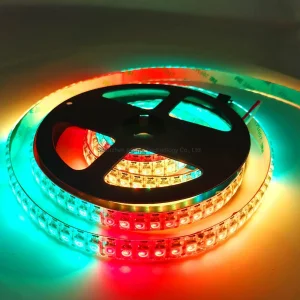
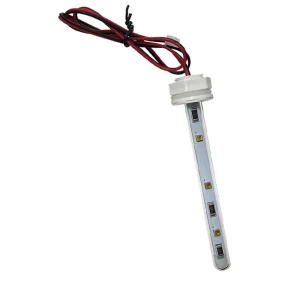
In modern solid-state lighting (SSL) development, the role of structural aluminum channels extends far beyond simple aesthetics. As high-power, high-density linear LED arrays (such as COB and high-CRI SMD strips) reach greater luminance, the thermal, optical, and mechanical performance of the housing becomes critical to the overall lifespan of the light fixture. Anodized 6063-T5 aluminum extrusions function as essential heat sinks, maintaining the junction temperature ($T_j$) of LEDs well within their safe parameters (typically below 85°C). This thermal management prevents early lumen depreciation and color shift.
For architectural LED profiles, the selection of the aluminum alloy is key. We utilize high-purity Alloy 6063-T5. This composition balance offers excellent surface finishing characteristics, making it ideal for anodizing and powder coating. It also delivers the tensile strength and structural integrity required for straight runs in continuous-row lighting systems. 6063-T5 has a slightly higher thermal dissipation coefficient than its T6 counterpart, which is critical for linear profiles that rely on natural convection to cool internal LED modules.
| Property | Alloy 6063-T5 | Alloy 6063-T6 | Alloy 6061-T6 | Importance to LED Profiles |
|---|---|---|---|---|
| Thermal Conductivity | 209 W/m·K | 201 W/m·K | 167 W/m·K | High thermal dissipation prevents premature LED degradation. |
| Tensile Strength | 186 MPa | 241 MPa | 310 MPa | Determines structural deflection over long continuous runs. |
| Surface Anodizing Quality | Excellent | Good | Fair | Critical for achieving a clean, blemish-free decorative finish. |
| Extrudability & Deflection | Optimal | Moderate | Low | Enables thin-walled, intricate geometric designs. |
A Fully Integrated Global Manufacturer & Exporter of Advanced Solid-State Lighting Technologies
Established in 2005, Zhongshan Zever Light Co., Ltd. is a specialized LED manufacturer located in Zhongshan, China—one of the country's key lighting hubs. Over nearly two decades, we have developed our expertise in the research, development, production, and exporting of high-performance optoelectronic and linear lighting assemblies.
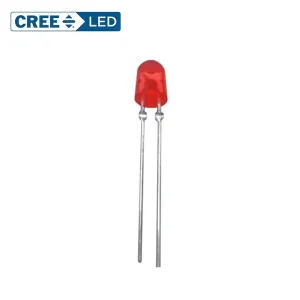
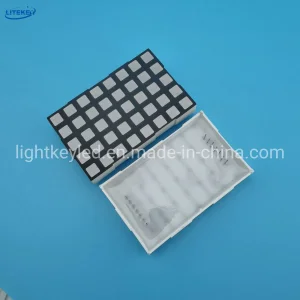
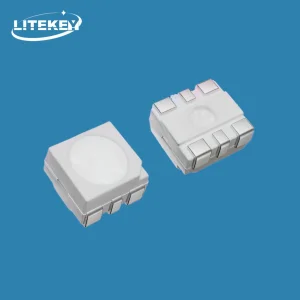
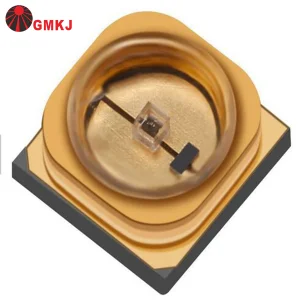
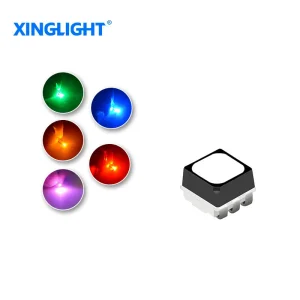
Our core capabilities include the engineering and supply of certified structural components. We offer high-quality CE Certified Aluminum LED Profiles, as well as THT LEDs, SMD/Chip LEDs, LED displays, infrared LEDs, dot matrix modules, and LCD backlights. This diverse product range makes us a reliable, single-source partner for OEM and ODM clients worldwide.
Our facility operates under strict quality management systems and has been certified with ISO9001 and ISO14001 standards. This structure helps us meet the strict compliance requirements of key international markets, including the European Union, North America, and the Asia-Pacific region.
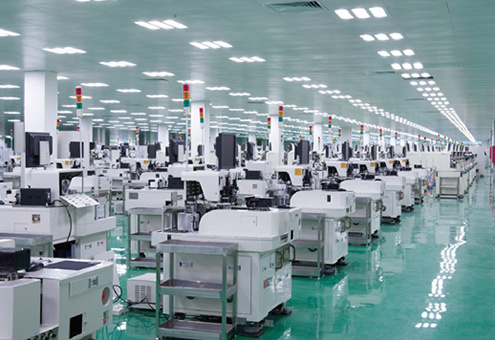
The requirements for structural linear systems vary widely depending on localized architectural styles, climate factors, and regulatory standards. Our engineering team designs aluminum LED profiles to suit these specific regional demands:
Compliance Focus: CE, RoHS, ErP Directives.
European installations favor minimal, recessed profiles that integrate cleanly into drywall, cabinetry, and plasterboards. Our profiles feature ultra-thin flanges and deep-channel designs, ensuring dot-free light diffusion while maintaining compliance with EU safety and environmental regulations.
Compliance Focus: UL/cUL, NEC, Title 24.
North American specifications frequently require robust Class 2-compliant enclosures, thick anodization, and 1/2-inch NPT knockout end-caps. These features support conduit integration in commercial workspaces, retail malls, and high-end residential interiors.
Compliance Focus: IP67/IP68, Salt-Spray Resistance.
For outdoor applications in hot or coastal environments, LED profiles require high corrosion resistance. We supply specialized marine-grade anodized profiles (15µm+ coating depth) combined with UV-stabilized silicone gaskets. This configuration protects the internal LEDs from humidity, dust, and coastal salt spray.
Achieving visually comfortable lighting requires matching the aluminum channel with the correct optical diffuser. The diffuser controls the balance between light transmission efficiency and LED pixel diffusion:
The global construction and lighting installation sectors operate on tight timelines. Delays can lead to costly project overruns. Located in the lighting hub of Zhongshan, Zhongshan Zever Light Co., Ltd. offers a resilient supply chain and high production capacity:
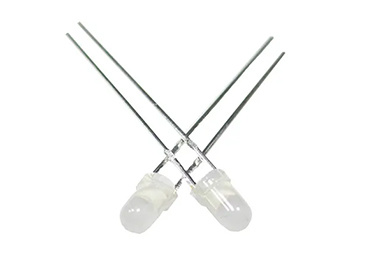
By integrating product design, mold tool making, aluminum extrusion, surface treatment, and optoelectronics production in one central location, we reduce the coordination challenges and costs associated with multi-vendor sourcing. This integrated structure allows us to offer consistent quality and competitive pricing for global projects.
The lighting industry is moving toward smarter, more sustainable, and human-centric systems. As a forward-looking supplier, Zever Light is aligning its R&D roadmap with these key industry trends:
Future linear profiles will function as part of smart building networks. We are designing profiles with integrated cavities to house miniaturized IoT sensors, wireless transceivers (Zigbee, Casambi, BLE), and dynamic DALI-2 drivers. This allows linear fixtures to support occupancy sensing, daylight harvesting, and asset tracking.
To support visual comfort and productivity, we are developing micro-prismatic diffusers. These components direct light downward while limiting spill light at high angles, reducing glare to meet UGR < 19 standards in workplace designs.
As environmental standards tighten worldwide, we are working to reduce the carbon footprint of our manufacturing. This includes increasing the use of post-industrial recycled aluminum billets and optimizing our energy-efficient extrusion processes to meet modern environmental goals.
Detailed technical answers to common queries from lighting specifiers, architectural engineers, and procurement managers.
Precision-engineered LED displays, flexible light strips, and specialized semiconductor components.
 Zever Light