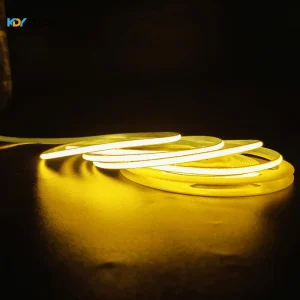
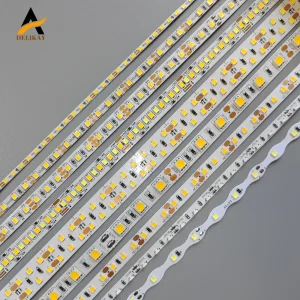
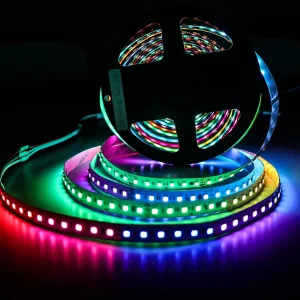
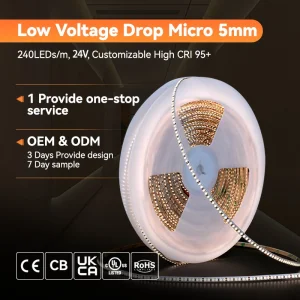
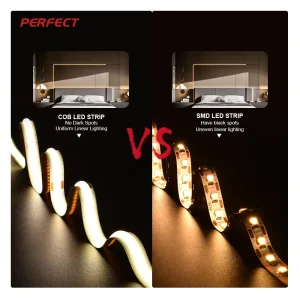
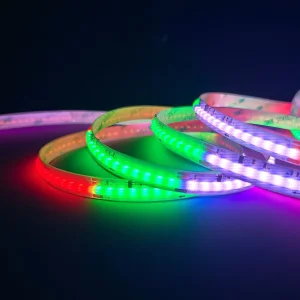
Direct supply high-efficiency, multi-compliant flexible LED strips designed for commercial, architectural and remote solar applications across Namibia.
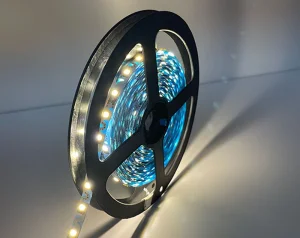
Namibia is witnessing a profound transition in its urban development, luxury ecotourism, mining infrastructures, and domestic architectural layouts. Major cities like Windhoek, Swakopmund, and Walvis Bay are scaling up commercial real estate, demanding modern architectural lighting solutions. Concurrently, remote eco-lodges scattered across the Namib Desert and the Caprivi Strip are looking for low-voltage, energy-efficient linear lighting compatible with off-grid solar microgrids. Flexible LED strips have emerged as the foundational tool for modern designers, contractors, and engineers who wish to achieve aesthetic integration while cutting energy overheads.
However, importing flexible LED tape into the Namibian market presents distinct environment-related challenges. The country's unique sub-Saharan geography requires products built to survive high UV exposure, wide thermal swings, coastal salinity, and localized dust ingress. Selecting a professional Chinese LED strip factory with reliable certification (UL, CE, RoHS, ISO9001) guarantees that distributors and commercial procurement officers in Namibia acquire materials that perform optimally over years, minimizing expensive on-site replacements.
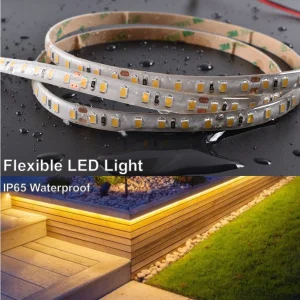
One of the primary metrics that separates standard flexible LED tapes from professional-grade linear light engines is their resistance to hostile environmental dynamics. Namibia exhibits several critical microclimates:
Namibia relies heavily on clean energy initiatives. Solar microgrids are standard in luxury lodges, farms, and mining outposts. Traditional lighting runs on 220V AC power, which requires converting direct solar-stored DC battery power into AC, incurring a 10% to 15% conversion loss in inverters. Our 12V and 24V DC Flexible LED Strips can connect directly to DC batteries and solar charge controllers. This native compatibility eliminates inverter-driven power loss, optimizes energy storage capacity, and guarantees continuous operation even during grid outages.
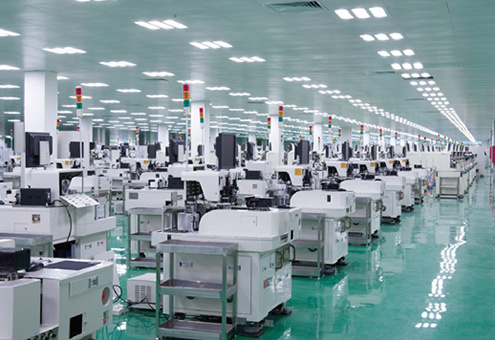
Established in 2005 and headquartered in Zhongshan, China—the global epicenter of lighting engineering—Zhongshan Zever Light Co., Ltd. has spent nearly two decades refining LED encapsulation, PCB layout, and optical lens engineering. Our facility spans 6,000 square meters, featuring 8 automated high-efficiency production lines staffed by over 800 employees. We offer Namibia's buyers structural security through:
1. Architectural Cove & Accent Lighting: From Windhoek's commercial centers to Swakopmund's luxury residences, modern architects utilize high CRI (Ra>90) SMD2835 and COB strips to highlight ceiling geometries, wall details, and furniture accents without glare.
2. Low-Impact Eco-Safari Lodges: Located near national parks like Etosha or Sossusvlei, eco-lodges implement low-voltage, warm-dimming (2200K - 2700K) LED linear solutions. These strips respect the natural night sky while minimizing local electricity load demands.
3. Heavy Industrial & Mining Areas: Remote uranium, diamond, and gold extraction plants require high-reliability perimeter and corridor lighting. High-lumen, chemical-resistant silicone LED neon strip lights with CE, RoHS, and UL compliances deliver dust-proof safety in demanding industrial conditions.
All commercial products dispatched to Namibia are shipped via reliable sea routes arriving at the Port of Walvis Bay or air-freighted to Hosea Kutako International Airport. Zever Light ensures customs compliance, packing, and handles SACU custom tariff declarations to guarantee a smooth import process.
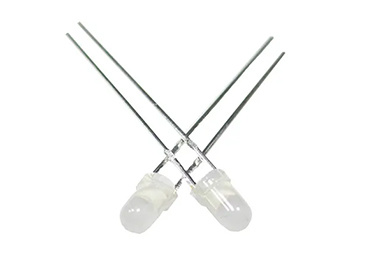
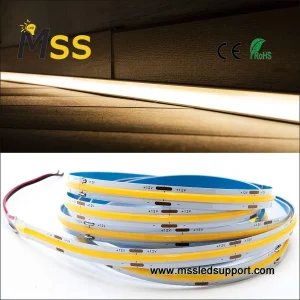
Explore our wider range of high-density COB, IP67 Silicone Neon, Pixel, and High-CRI Linear Strip Lights engineered for global commercial standards.
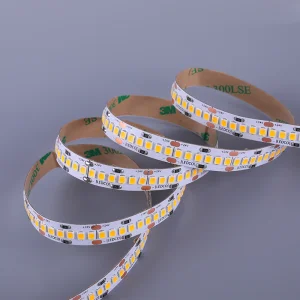
Find authoritative answers regarding imports, climate compliance, installation practices, and electrical requirements in Namibia.
 Zever Light