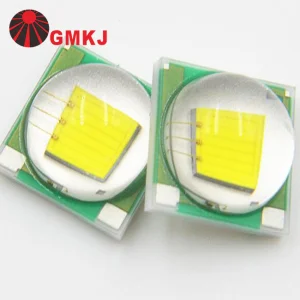
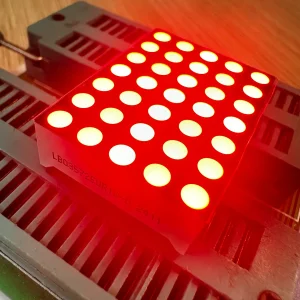
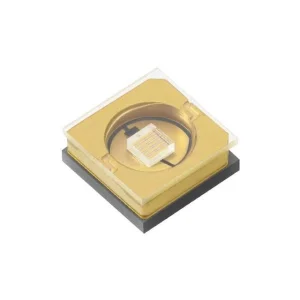
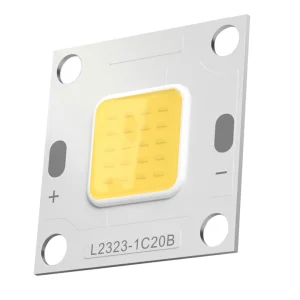
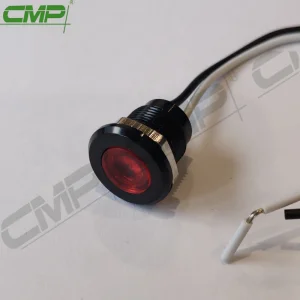
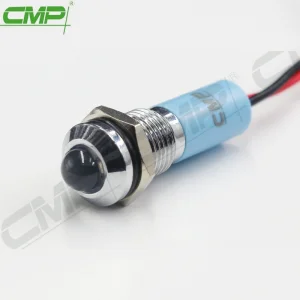
Advanced Solid-State Emitters, Indicators, and Custom Matrix Modules Available for Integration
A Comprehensive Market Intelligence and Technical Analysis of Solid-State Ultraviolet Technology
The global optoelectronics sector is witnessing an irreversible transition from legacy mercury vapor lamps to solid-state UV LED systems. Driven by global green initiatives such as the Minamata Convention on Mercury and the rigorous requirements of European RoHS compliance, industrial designers and manufacturing plants are rapidly re-engineering their systems. Unlike traditional systems that require high voltages, produce ozone, and demand long warm-up intervals, modern UV LED semiconductors deliver instant-on activation, precise narrow-band emissions, and exceptional energy efficiency.
The electromagnetic spectrum for ultraviolet emission is typically classified into three functional subdivisions, each possessing unique physical characteristics and requiring distinct packaging structures:
Widely utilized in high-speed industrial curing (coatings, adhesives, 3D printing, and lithography). UVA technology leverages high energy density to initiate polymerization reactions instantly, optimizing manufacturing throughput.
Key to agricultural engineering and medical phototherapy. UVB light triggers critical biosynthetic pathways in plants (e.g., secondary metabolite production) and helps manage dermatological conditions under clinical controls.
Crucial for germicidal disinfection. UVC energy directly targets pathogen DNA and RNA, rendering viruses, bacteria, and spores inactive. Ideal for HVAC purification, dynamic water sterilization, and surface hygiene.
For global procurement managers, partnering with qualified OEM/ODM UV LED factories is critical. The design and packaging of AlGaN (Aluminum Gallium Nitride) epitaxial structures require extreme precision. High heat dissipation demands, thermal degradation of packaging resins, and low External Quantum Efficiency (EQE) are all challenges that demand deep engineering expertise. Selecting the right manufacturer is key to ensuring long-term stability and product reliability.
Why Localized Industrial Ecosystems in Zhongshan Accelerate Global Innovation Cycles
Global supply chain resilience relies heavily on industrial hubs. As one of China's primary lighting industry clusters, Zhongshan provides direct access to a complete supply chain. This concentration of raw material processors, specialized substrate producers, automated assembly line manufacturers, and advanced electro-optical laboratories allows local factories to iterate, manufacture, and export products with unmatched speed-to-market.
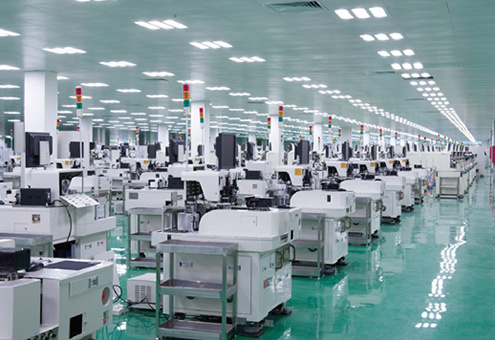
Chinese factories excel in vertical integration. By handling packaging, substrate mounting, circuit board assembly (SMT), and testing in-house, they minimize manufacturing bottlenecks. With highly automated die-bonding and wire-bonding equipment, factories achieve reliable consistency across high-volume production runs. This structured approach helps stabilize unit costs and mitigate risks associated with fluctuating global components.
Zhongshan Zever Light Co., Ltd. – Leading Optoelectronic Innovation Since 2005
Established in 2005, Zhongshan Zever Light Co., Ltd. is a specialized LED manufacturer headquartered in Zhongshan, China. Over the past two decades, Zever Light has built a comprehensive infrastructure focusing on the research, development, manufacturing, and distribution of high-reliability LED packages and light sources.
Our expansive 6,000-square-meter facility features advanced, dust-controlled cleanrooms equipped with automated die-bonding, wire-bonding, phosphor-dispensing, and high-speed binning machinery. This high degree of automation ensures consistent, reliable results and minimizes human error. Our production lines run under strict quality management systems certified to ISO9001 and ISO14001 international standards.
Zever Light is committed to premium materials and sustainability. All raw materials comply with the RoHS directive and are sourced from leading suppliers in Japan, the United States, South Korea, and Taiwan. This global material sourcing strategy ensures our products deliver high quantum efficiency, low thermal resistance, and long-term durability in challenging environments.
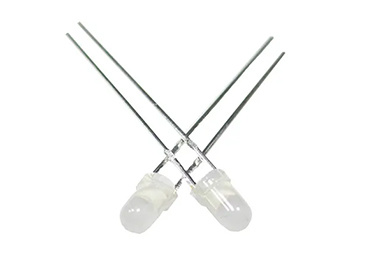
Our product portfolio covers a wide range of optoelectronic needs, including Through-Hole Technology (THT) LEDs, high-power SMD/Chip LEDs, customized LED displays, infrared (IR) emitters, dot matrix modules, LCD backlights, and complex custom lighting fixtures. Led by an experienced R&D team of 16 engineers, each averaging over 5 years of industry experience, Zever Light provides reliable OEM/ODM services tailored to specific client needs.
Supported by a modern Enterprise Resource Planning (ERP) platform, Zever Light optimizes supply chain efficiency, manages production schedules in real time, and ensures on-time delivery. We pride ourselves on flexible manufacturing schedules, completing urgent production orders in as little as 1 to 2 weeks.
Engineered Solutions for Commercial, Medical, and Heavy Industrial Operations
High-intensity UVA (365nm to 395nm) arrays are vital for modern high-speed printing presses and clear-coat wood finishing. High-power SMD LEDs offer the narrow wavelength control needed to cross-link photoinitiators in fractions of a second, significantly reducing energy consumption compared to high-power mercury lamps.
Municipal and household water systems rely on UVC (265nm to 275nm) treatment chambers to destroy pathogen DNA. Our UVC LEDs provide reliable instant-on operation and fit compact system footprints, making them ideal for point-of-use (POU) water purification systems.
Controlled Environment Agriculture (CEA) uses narrow-band UVB and UVA wavelengths to stimulate targeted plant stress. This approach promotes the accumulation of beneficial secondary metabolites, enhancing crop quality, aroma, and nutritional profiles in commercial greenhouses.
Key Technical Considerations for Design Engineers and Strategic Sourcing Managers
Procuring optoelectronic components at scale requires a clear understanding of technical parameters to avoid integration issues. Standard general-purpose lighting metrics are not sufficient for UV applications. Sourcing managers and R&D engineers should evaluate potential OEM/ODM partners based on the following key metrics:
UV LEDs convert a significant portion of electrical power into heat rather than light. Low thermal resistance (using ceramic AlN substrates and gold-tin eutectic bonding) is critical to prevent premature die failure and output drop.
Instead of lumens, UV output is measured in milliwatts (mW) or irradiance (W/cm²). The OEM partner must provide verified integrating sphere reports confirming actual optical output under standard operational conditions.
Ensure your supplier provides detailed LM-80 testing data. UVC LEDs typically degrade faster than visible light LEDs; understanding lifetime curves (e.g., L70 at 10,000 hours) is essential for product warranties.
Direct Insights from our Optoelectronic Engineering Laboratory
Partner with an experienced OEM/ODM manufacturer to design, prototype, and manufacture custom LED configurations. Get in touch with our team for detailed product specifications, custom PCB layout support, and pricing proposals.
Request Engineering ConsultationComplete Your System Designs with Certified Mechanical Parts, Optical Indicators, and Flexible COB Tapes
 Zever Light