Premium grade solid-state lighting components, modules, and control devices engineered for global commercial distribution and high-reliability specifications.
The global market for flexible LED strips has experienced rapid evolution, transitioning from basic decorative applications to highly integrated, critical components of modern architectural and industrial illumination. Today, flexible linear light sources play a pivotal role in minimizing structural footprints while maximizing lumen output and control granularity.
Regulatory frameworks, such as Title 24 in California, the Single Lighting Regulation (SLR) in the EU, and global Net-Zero carbon initiatives, have mandated a major shift toward high-efficacy, highly reliable lighting platforms. To meet these stringent specifications, procurement professionals, commercial lighting designers, and distribution networks demand flexible LED solutions that offer not only exceptional performance but also structural durability under varying environmental conditions.
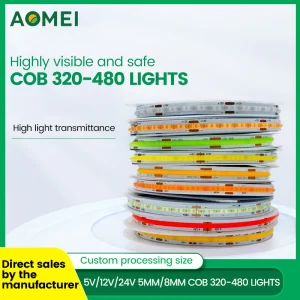
Additionally, modern developments in Chip-on-Board (COB) technology and addressable integrated circuits (ICs) have set new benchmarks for linear resolution and light uniformity, effectively eliminating the "dotting" effect commonly found in traditional SMD setups. This level of technical complexity requires manufacturing systems that maintain strict quality tolerance margins across entire production runs.
A look at the production capabilities, engineering standards, and quality management systems of Zhongshan Zever Light Co., Ltd.
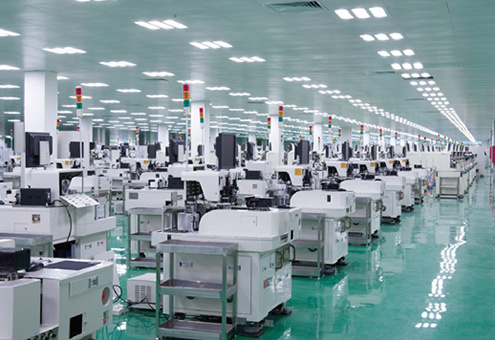
Established in 2005, Zhongshan Zever Light Co., Ltd. has grown into a leading LED manufacturer situated in Zhongshan, China—one of the country’s key lighting industry hubs. Over the past two decades, we have focused on the research, development, production, and sale of high-performance optoelectronic devices and commercial LED systems.
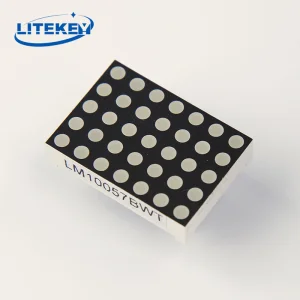
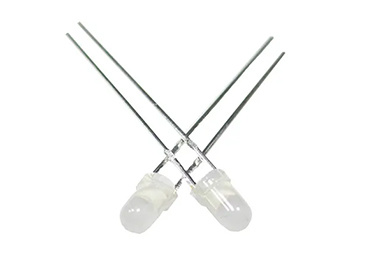
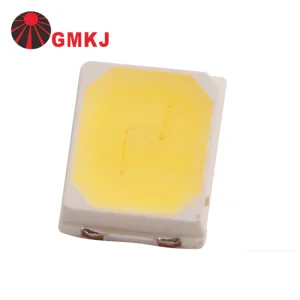
Our product portfolio ranges from standard components like THT LEDs and SMD/Chip LEDs to complex systems, including dual-color dot matrix modules, UVC disinfection units, and customized flexible LED strips. This comprehensive capability allows us to support client projects from initial concept through to final mass production.
Operating under ISO9001 and ISO14001 quality systems.
Raw materials sourced from top suppliers in Japan, USA, South Korea, and Taiwan.
Efficient supply chain logistics support lead times as short as 1 to 2 weeks.
Our facility covers 6,000 square meters and houses 8 fully automated production lines. We utilize high-speed surface mount technology (SMT) machines, automated optical inspection (AOI) units, and automated dispensing machines. These advanced systems help minimize human error and ensure high consistency across all manufacturing batches.
Innovation is key to our business. Our dedicated R&D team consists of 16 experienced engineers, each bringing an average of over 5 years of experience in the LED industry. They are skilled in optical modeling, thermal dissipation analysis, and custom circuit design, helping turn client concepts into market-ready products.
Our operations are managed via a modern ERP platform, ensuring efficient resource planning, production scheduling, and on-time delivery. From incoming material inspections (IQC) to in-process quality checks (IPQC) and final pre-shipment testing (OQC), every step is documented and traceable.
How localized industrial clusters and advanced supply chain networks support efficient, high-volume production.
Zhongshan is a globally recognized hub for the lighting industry. This location offers close proximity to raw material suppliers, packaging facilities, and testing labs, which helps simplify the logistics process, reduce shipping costs, and speed up project turnaround times.
With direct access to diverse component markets, our design team can source custom FPCBs, specialized silicone formulations, and high-performance LED packaging quickly, turning initial concepts into physical prototypes within just a few business days.
We work closely with leading global suppliers. All raw materials comply with the RoHS directive, ensuring compliance with strict environmental regulations in import markets like the European Union and North America.
A closer look at the design principles, material selections, and performance parameters behind our flexible linear lighting systems.
The foundation of any high-quality flexible LED strip is its Flexible Printed Circuit Board (FPCB). We use rolled, double-sided copper FPCBs with thickness options of 2oz, 3oz, or 4oz. This design minimizes voltage drop over longer runs and provides efficient heat dissipation away from the LED chips, helping preserve chip lifetime.
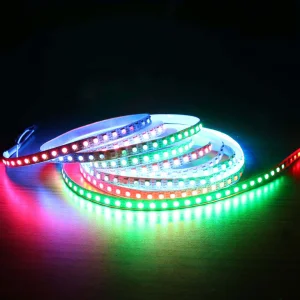
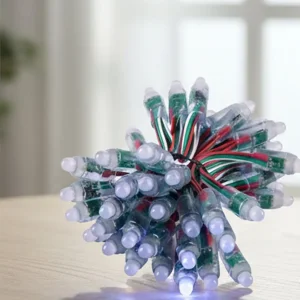
Chip-on-Board (COB) technology mounts LED dies directly onto the FPCB, covered by a continuous phosphor layer. This eliminates traditional plastic housing and results in seamless, dot-free illumination. For applications that require individual pixel control, we use high-density SMD platforms equipped with external or embedded ICs (such as WS2811/WS2812B).
| Parameter | Typical Specifications |
| CRI / Ra Options | Ra > 90, Ra > 95, Ra > 98 |
| MacAdam Step | 3-Step SDCM (Standard), 2-Step available |
| IP Ratings | IP20 (Indoor), IP65 (Spray), IP67 (Silicone Tube), IP68 (Molded) |
| PCB Widths | 3mm, 5mm, 8mm, 10mm, 12mm, 15mm |
| Luminous Efficacy | 100 lm/W to 160 lm/W (Based on model) |
Strategies for commercial buyers to maintain quality, ensure regulatory compliance, and mitigate supply chain disruptions.
We implement a multi-stage testing protocol. Every production run undergoes automated thermal testing, vibration tests, and high-humidity chambers. Additionally, we run continuous burn-in tests at elevated temperatures to detect infant mortality failures before shipment.
Navigating global compliance can be complex. We ensure our products carry the necessary markings, including CE, RoHS, and UL, making them suitable for commercial installation in regulated markets like North America and Western Europe.
Using our ERP-driven management system, we keep track of component inventory and coordinate with reliable freight forwarders. This setup helps reduce shipping lead times and supports steady product delivery schedules.
How flexible linear lighting systems are integrated into various architectural, commercial, and industrial environments.
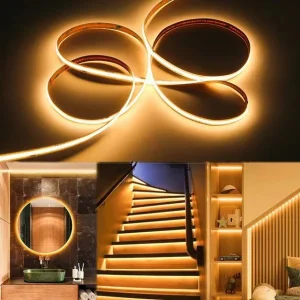
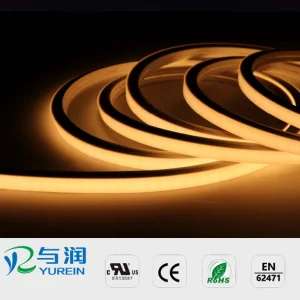
Our IP67 silicone seamless neon flex strips are designed for outdoor architectural applications. They offer high resistance to UV radiation, salt mist, and extreme temperatures, providing continuous, dot-free lighting for building perimeters and external signage.
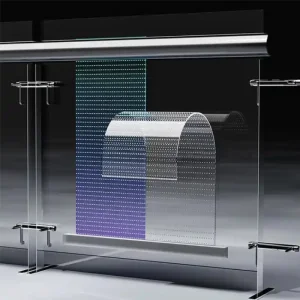
Utilizing addressable smart pixel modules (like the WS2811 and WS2812B series), designers can program complex animations, chase sequences, and color-changing effects. These systems are commonly used in entertainment venues, retail centers, and specialized holographic projection panels.
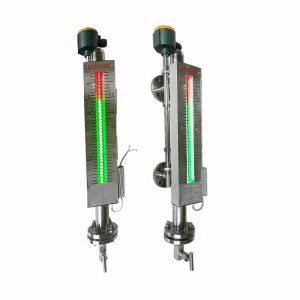
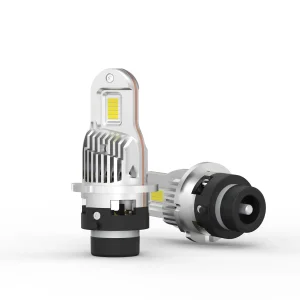
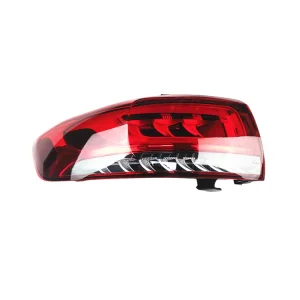
Beyond general lighting, our LED products are integrated into automotive systems, including high-intensity headlight bulb components and specialized taillight assemblies. They are also used in industrial instrumentation, such as bi-color magnetic level indicators, to provide clear status visibility in challenging plant environments.
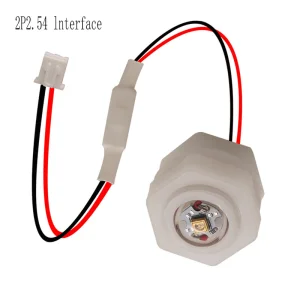
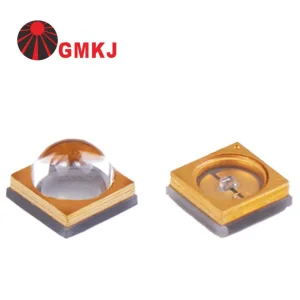
In addition to visible linear lighting, we manufacture specialized ultraviolet (UV) LEDs spanning UVA, UVB, and UVC spectrums (265nm to 400nm). These components are integrated into sterilization systems, humidifiers, and industrial UV curing setups. We also produce precise T-1 LED components (such as our 3mm round standard T-1 25mA 592nm amber LED chips) to support critical industrial control panel displays.
Key technological advancements and material changes that will shape the next generation of linear lighting systems.
Modern lighting designs increasingly focus on circadian rhythm support. The use of dual-channel LED chips allows seamless adjustment of color temperatures (from 2200K to 6500K) while maintaining consistent lumen output.
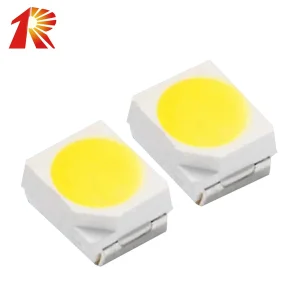
CSP technology eliminates the submount substrate and wire bonds, resulting in smaller footprints, higher lumen density, and lower thermal resistance compared to traditional SMDs.
There is an industry shift away from PVC-based coatings toward high-grade optical silicones. Silicone offers superior flexibility, UV stability, and flame retardancy, while remaining more environmentally friendly.
Our R&D team continuously researches ways to improve luminous efficacy, allowing our flexible LED systems to deliver higher light output while consuming less electrical power. This focus supports the global transition to energy-efficient building standards.
By pairing durable LED packaging with double-sided, thick-copper FPCBs, we help extend the operational lifetime of our installations, reducing the need for frequent replacements and minimizing e-waste.
Detailed technical answers to common questions asked by procurement officers, project managers, and distributors.
Voltage drop occurs as electrical current travels along the copper traces of an FPCB, encountering resistance that leads to reduced brightness at the far end of the strip. To prevent this, we design our linear systems using high-purity, double-sided copper FPCBs (offered in 2oz, 3oz, or 4oz thicknesses). For extended runs, we recommend using 24V DC configurations over 12V DC options, which cuts the current draw in half and reduces voltage drop over longer installations.
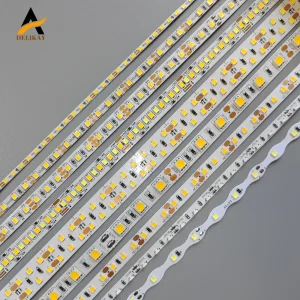
Traditional SMD strips feature discrete LED chips surface-mounted along the FPCB, which can create visible bright spots or "dots" unless diffused. COB strips mount the LED dies directly onto the board beneath a continuous phosphor layer. This design produces a smooth, continuous line of light without visible dots, even when installed without profiles or diffusers.
McAdam Ellipse binning measures color consistency. Standard production models fall within a 3-step McAdam Ellipse (SDCM < 3), meaning color variations are minimal and barely visible to the human eye. This consistency is crucial for large commercial projects where multiple light strips are installed close together and must maintain a uniform color temperature.
Our standard production lead time is 2 to 3 weeks. However, for urgent requirements, our ERP-driven manufacturing lines and supply chain integrations allow us to complete and ship certain orders within 1 to 2 weeks, depending on component availability and customization needs.
Yes. Our engineering team can design custom FPCB layouts to match specific dimensions, power requirements, and connection points. We also offer pre-assembled wire harnesses and connector solutions to help simplify on-site installation for commercial projects.
We provide multiple IP ratings, including IP65 (dust-tight and water-resistant spray), IP67 (sealed silicone sleeve, suitable for temporary immersion), and IP68 (fully molded silicone co-extrusion, suitable for wet and underwater installations). Our outdoor silicone materials are chosen for their UV resistance and performance across wide temperature ranges.
Yes. All raw materials used in our factory comply with the RoHS directive and meet European and North American environmental standards. We source key materials from reliable suppliers in Japan, the United States, South Korea, and Taiwan.
Our quality control process includes checking color rendering indices (CRI), color temperature consistency, luminous efficacy, thermal distribution, and mechanical shear strength. We also subject finished products to continuous high-temperature burn-in tests to identify and eliminate early-stage component failures before shipment.
Explore our range of specialized display, signal, UV, and automotive lighting components engineered for OEM and industrial applications.
 Zever Light